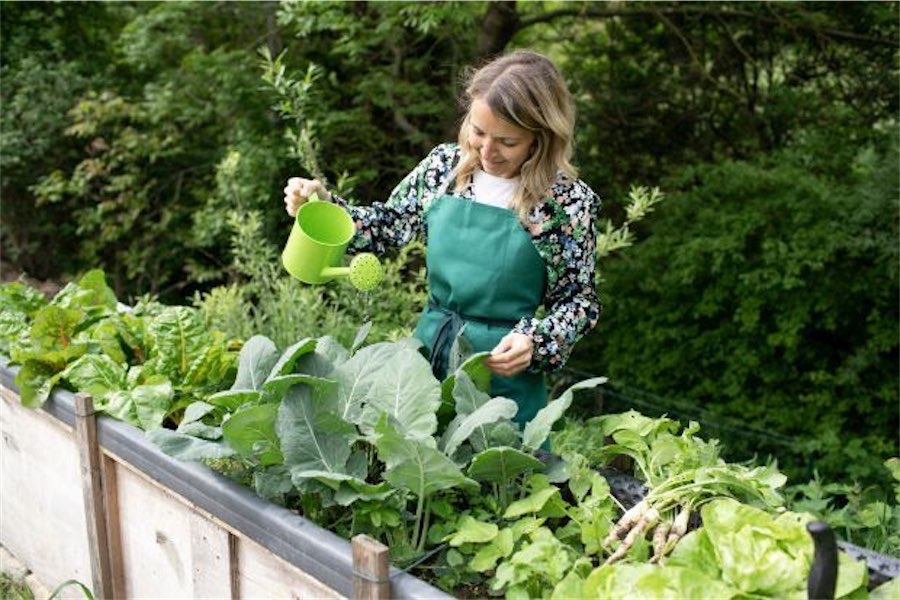
People with home gardens are less likely to develop type 2 diabetes, with new University of Queensland research suggesting access to green spaces should be a priority in urban planning.
The study found people with a substantial home garden had a 6.8 per cent lower risk of developing type 2 diabetes than those without one, while those living near multiple parks were 5.7 per cent less likely to develop the condition.
Researchers analysed data from more than 19,000 UK Biobank participants with type 2 diabetes, examining the availability of residential gardens and parks within an 800-metre radius of their homes.
Lead author Dr Chinonso Odebeatu said the findings highlighted the need to consider public health as higher-density housing developments became more common. He said home gardens offered benefits beyond aesthetics, while access to parks, community gardens and other green spaces could also help reduce diabetes risk.
Associate Professor Nicholas Osborne said gardening and spending time outdoors encouraged physical activity, improved vitamin D levels, benefited mental health and exposed people to microbes that supported gut health and the immune system. He said the findings showed urban planning decisions made today could have long-term health benefits.
Dr Osborne said more than 500 million people worldwide are living with diabetes, and that number is expected to double to 1.31 billion by 2050.
News all day, every day at CityNewsQBN.com.au.





Leave a Reply