“Shiraz is no longer the most prominent grape grown in Australia. Chardonnay was the largest single variety by crush size in 2026, overtaking shiraz,” says wine writer RICHARD CALVER.
Wine production is shrinking and demand is falling, according to the 2026 National Vintage Report.

The 2026 Australian winegrape crush is estimated to be 1.27 million tonnes, that is 19 per cent lower than the 2025 vintage of 1.57 million tonnes and the smallest in more than 25 years, the report says.
Respondents to Wine Australia’s survey said that poor seasonal conditions was one factor in reduced production. But other factors pointed to serious market and financial strain.
Many issues were identified as impacting their businesses including oversupply, weak demand, low prices, cancelled or delayed contracts and grapes left unpicked, particularly for red varieties.
Red wines are increasingly out of favour. The red wine crush decreased by 29 per cent while the white wine crush declined by 9 per cent.
Shiraz is no longer the most prominent grape grown in Australia. Chardonnay was the largest single variety by crush size in 2026, overtaking shiraz. The crush of chardonnay was almost identical to its 2025 figure, but its share of the national crush increased to 23 per cent, with shiraz now at 19 per cent.
There is only one reference to the Canberra district in the report, shown as a subset of NSW: a table listing crush by state and region shows production in the Canberra district was too small to register as a percentage of the national crush.
This table distinguishes between tonnes of grapes grown by the business that crushed them (“own grown” or “winery grown”) and tonnes purchased from an independent business/grower.
Canberra grows its own: 84 per cent of the grapes crushed are reported as winery grown. Twelve Canberra District wineries reported using a total of 312 tonnes in their production.
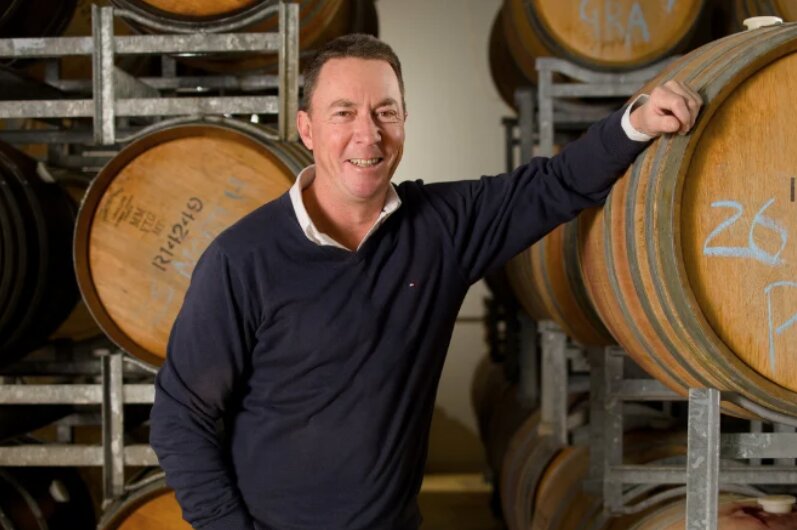
Fergus McGhie, president of Canberra District Wines, said the picture is more complex than disclosed in these limited statistics for Canberra.
“Obviously, not every wine business completed the survey and we don’t have a clear picture of how much Canberra fruit was really produced or processed locally,” he said.
“The truth of the larger story though is with the smaller crush across the board. It is a reflection of increased costs, the change in consumer preferences and a struggling economy.
“Also wine producers have plenty of inventory that they’re sitting on. The Canberra District is not immune from the broad factors affecting the industry at large.
“We have vineyards that take a lot of time and money to establish so Canberra growers aren’t going anywhere.
“We have to work harder on quality and make sure we get the recognition that we deserve, which is happening.
“But the economy is in difficulty and we are caught up in a situation where the state of the Australian economy makes it more difficult for business to thrive, including wine businesses.
“Where people have less money to spend we get caught up in that boat even though we have loyal people who keep buying Canberra wine.
“We are always grateful for that loyalty. The restaurants and hospitality businesses in Canberra particularly support us.”
All this talk of loyalty reminds me of a question I asked of a Japanese friend: Why do Yakuza swear a loyalty oath? Because they can’t do pinky promises.
News all day, every day at CityNewsQBN.com.au.





Leave a Reply