As Boomanulla Oval returns to Aboriginal control, JON STANHOPE takes a look at how the oval’s fared under the ACT Government care over the past 12 years. His pictures tell the story.
I have a long-standing and continuing interest in, and relationship with, Boomanulla Oval in Narrabundah.
My connection dates back to 1984, when it was formally vested in the Aboriginal community of Canberra by the late Charlie Perkins, the then Secretary of the Commonwealth Department of Aboriginal Affairs.
At that time I was employed as a legal officer in the Commonwealth Public Service and the arrangements pertaining to the transfer of the oval were managed by the office of which I was a member.
I was, of course, also tangentially involved, during my tenure as ACT chief minister, with issues relating to the management of the oval and its operation and maintenance.
My formal association with Boomanulla ceased in 2011 when I retired as chief minister.
Following my term as administrator of Christmas Island and the Cocos, Keeling Islands, I returned to Canberra in 2014 and since then have been happily employed as an adviser to Julie Tongs, CEO of Winnunga Nimmityjah Health and Community Service.
Coincidentally, my employment at Winnunga Nimmityjah began at about the same time as the ACT Government expelled the Aboriginal community from the oval and asserted control over and effective ownership of the land.
In other words, the land ceded by Charlie Perkins on behalf of the Commonwealth of Australia to the local Aboriginal community was stolen again, almost 200 years since it was first seized by white settlers.
The ACT Government is now in the process of returning the oval to Aboriginal control after having excluded it for the last decade or so and purportedly managed the oval itself. An interim joint community-government management committee, which first met in July, is overseeing the transition of the oval to Aboriginal community control.
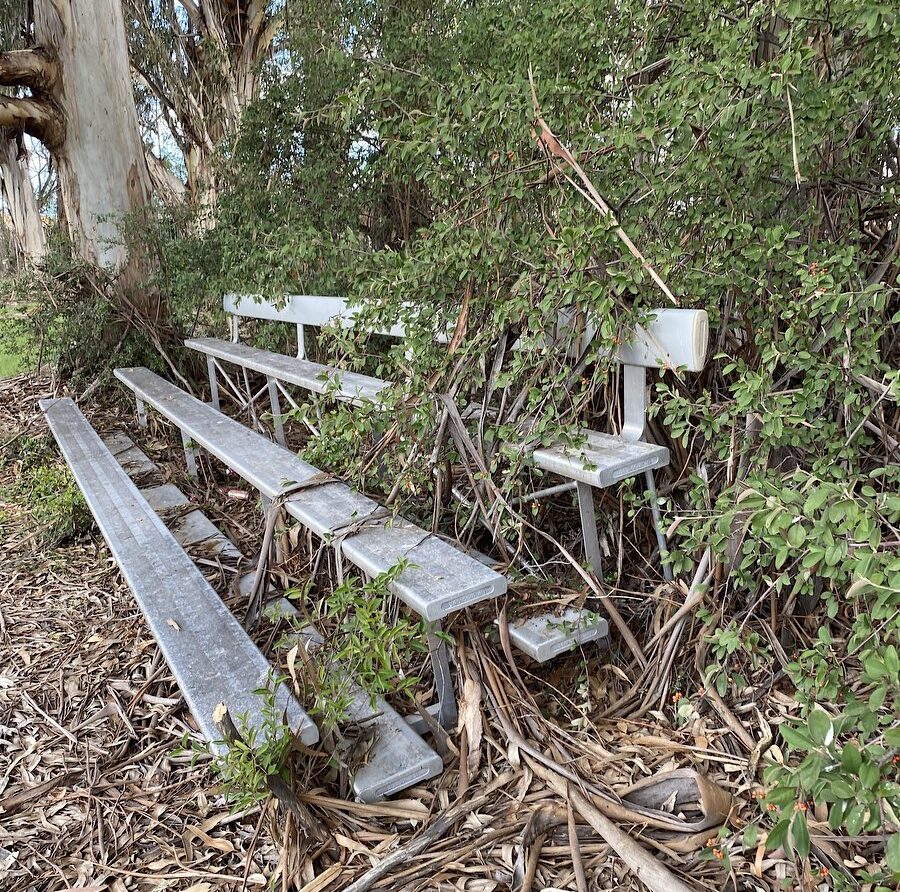
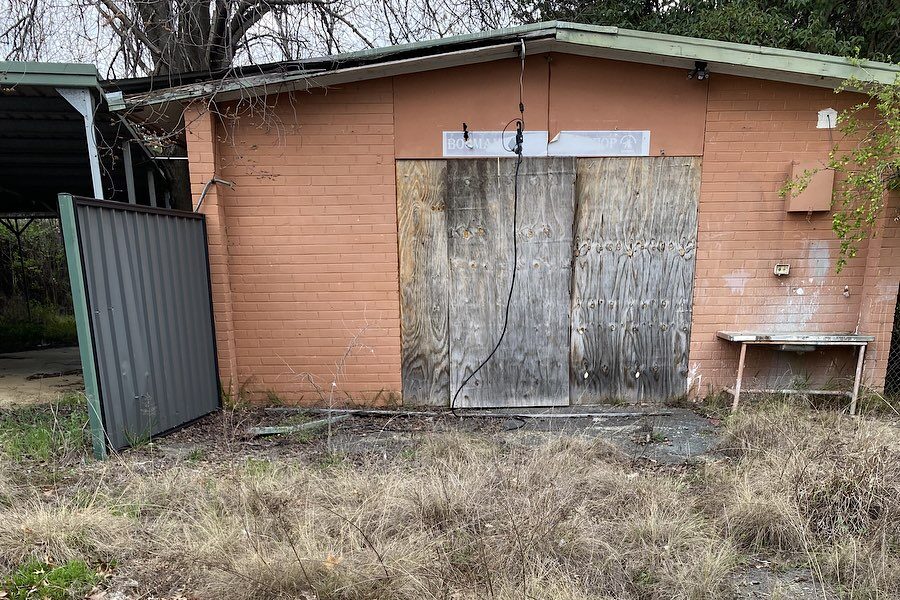
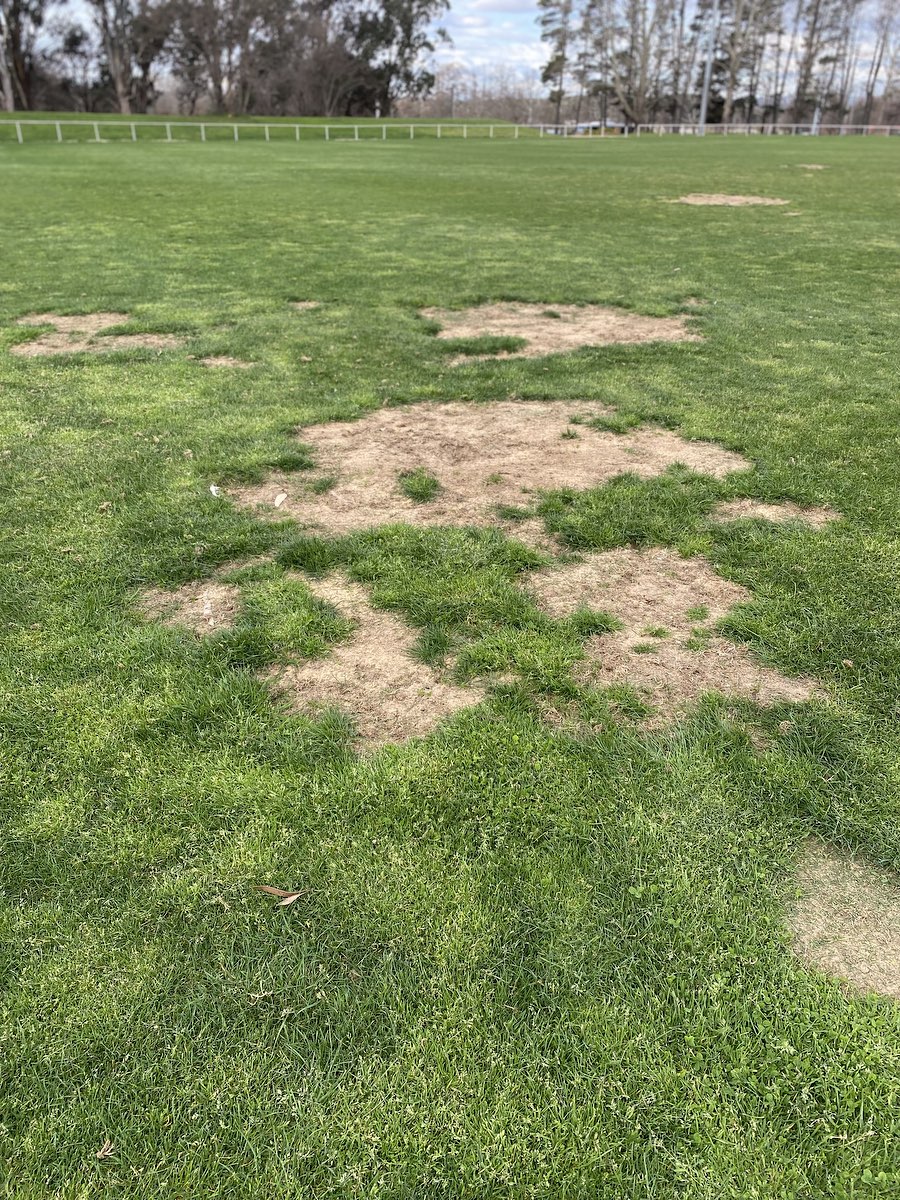
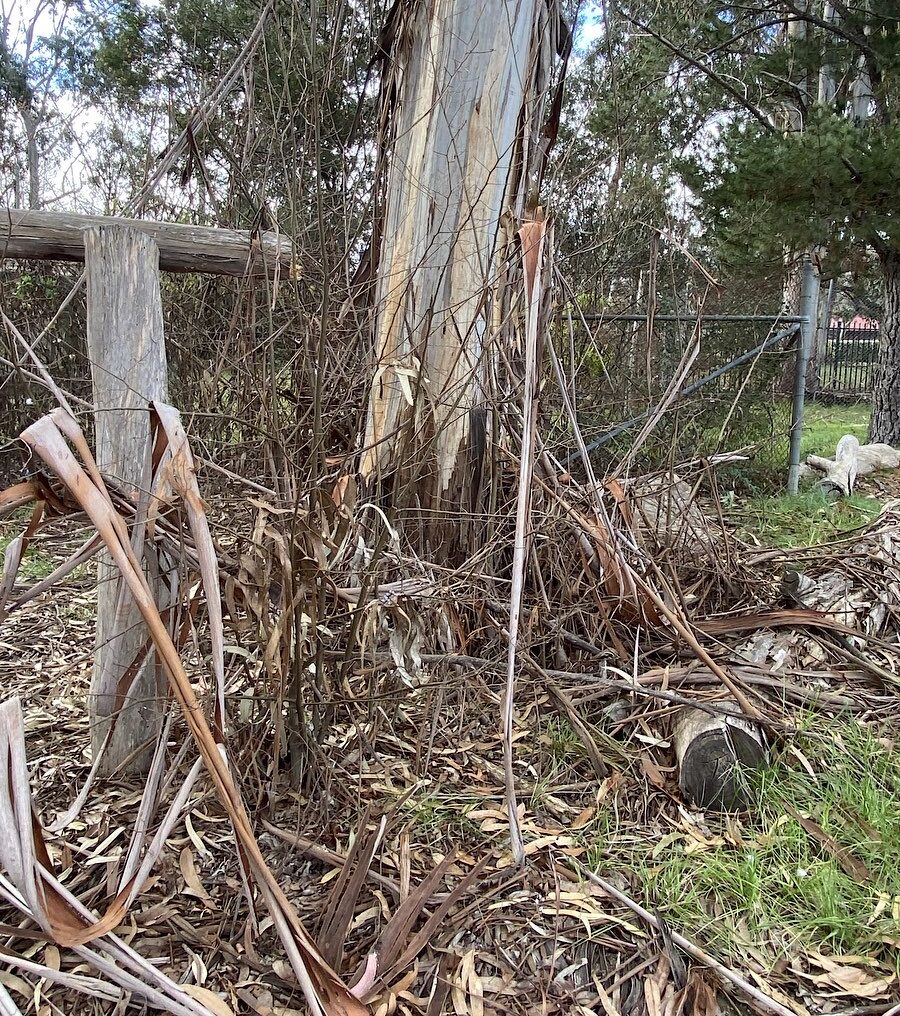
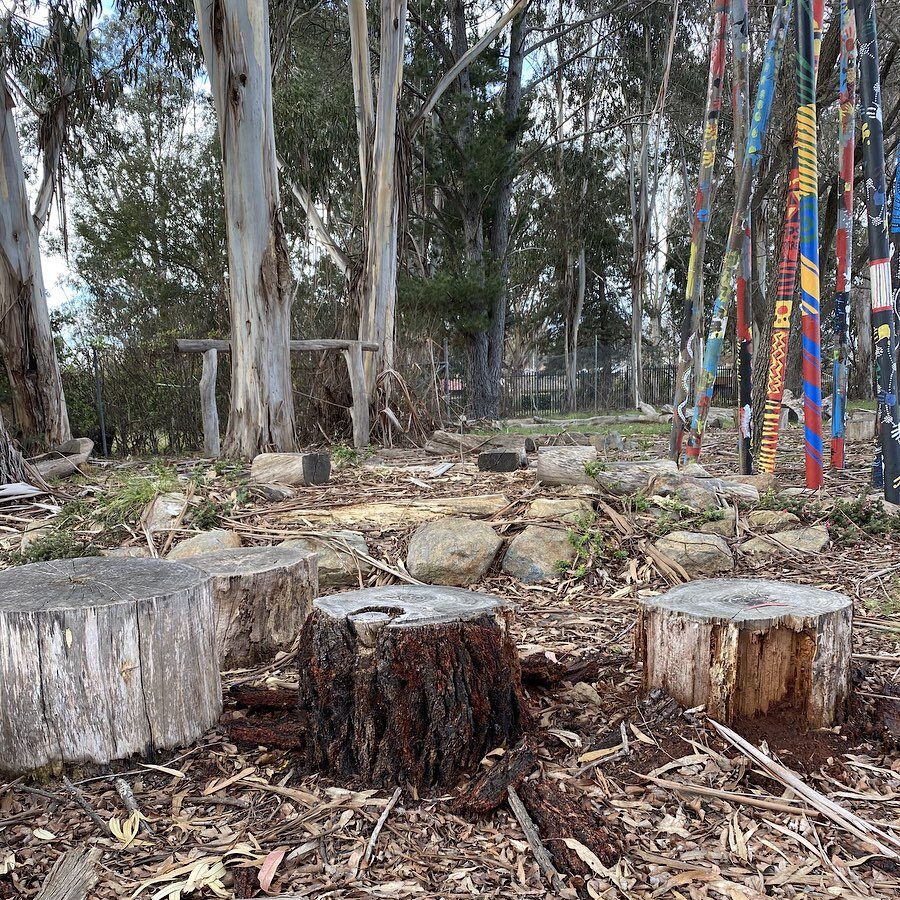
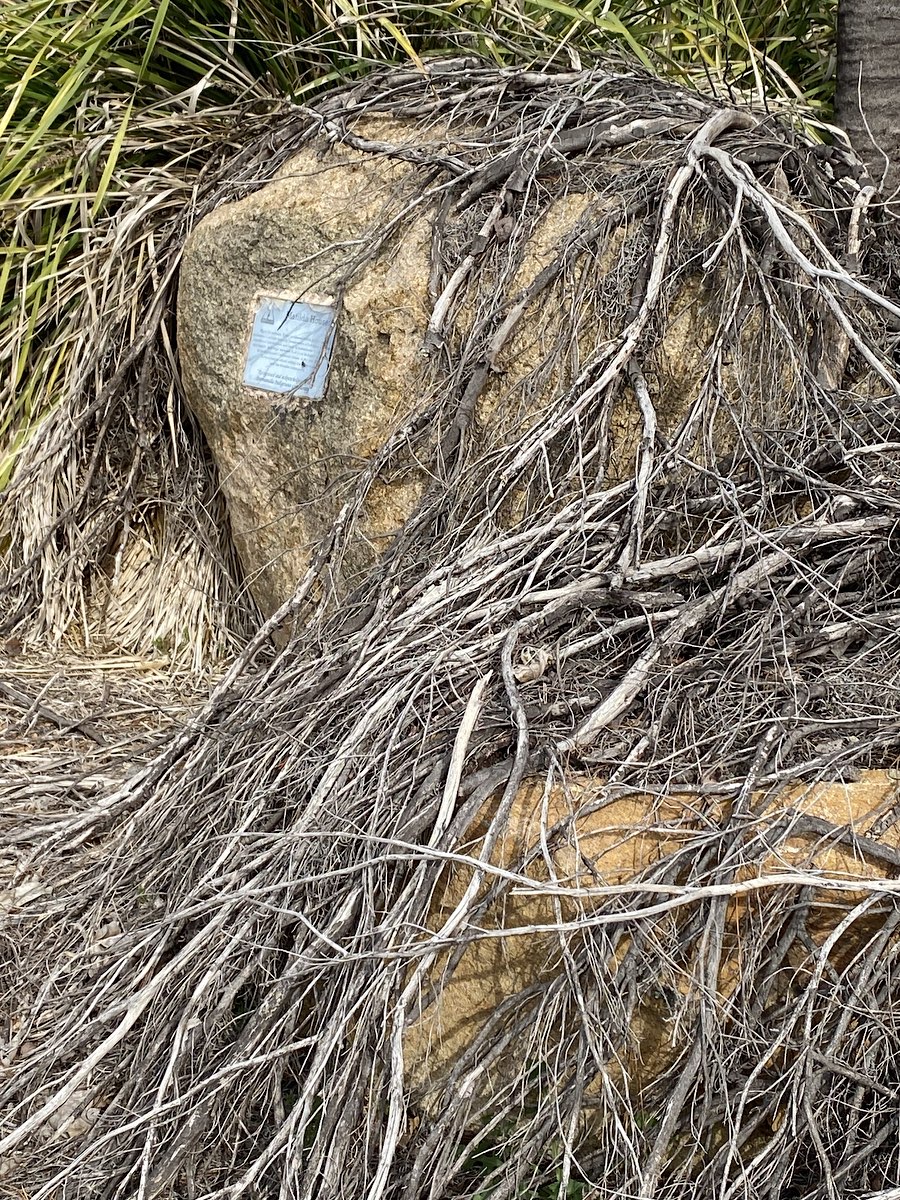
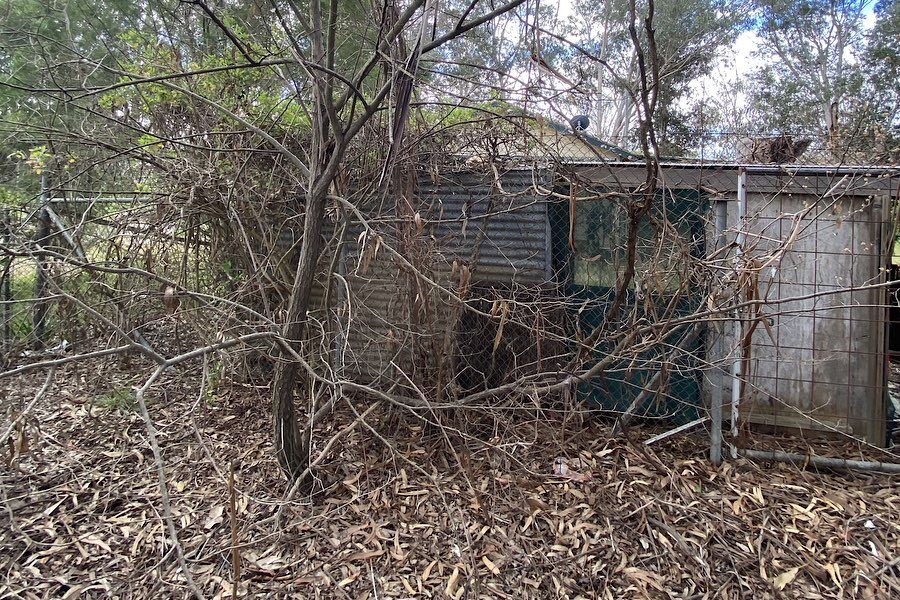
I recently visited the oval to gain some sense of how the ACT Government’s management compared with that of the Aboriginal community. The photographs (click for captions) show the quality of its management of the facility.
"Shouldn't industrial-scale developments, such as the planned battery energy storage system near Uriarra Village, be directed towards appropriately zoned industrial land rather than bio-diverse rural landscapes," asks MURRAY MAY.
"An organisation that goes dark each time will lose more days to its own practices than to any hacker. Hitting the off button is not a long-term strategy," say ALEX KOVACESKI & RICHARD CALVER.
Usman Khawaja's account of Sandpapergate has revived questions about Australian cricket's culture, accountability and loyalty, writes sport and culture expert DAVID ROWE.





Leave a Reply