By Allanah Sciberras and Morgan Reinwald in Canberra
Australia’s fuel security remains strong and secure despite an ongoing volatile war causing more pain for drivers at the bowser, the government says.
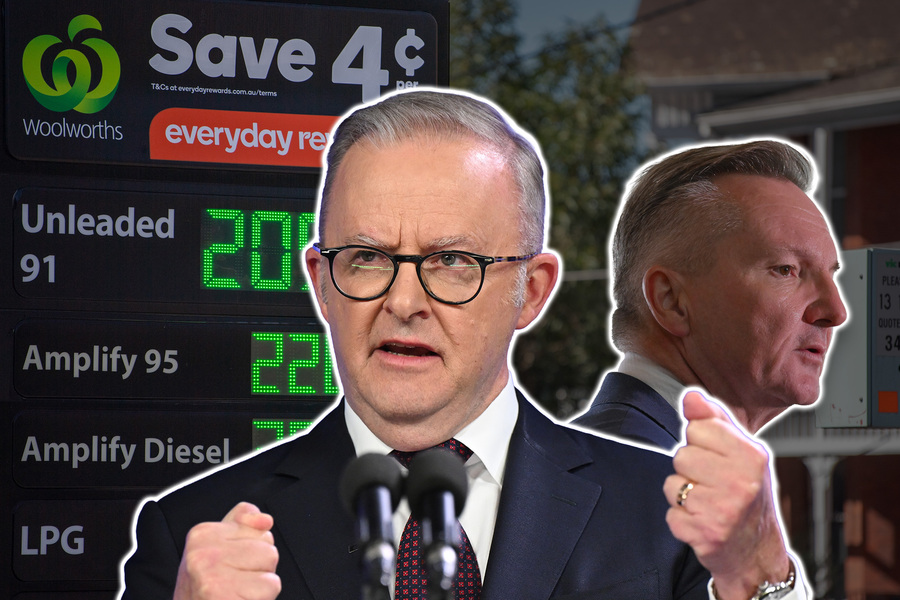
Petrol and diesel prices have been steadily rising after government discounts to the fuel excise ended on Monday, while at the same time escalating tensions in the Middle East have seen a global spike in the price of oil.
Energy Minister Chris Bowen, providing his first update on national supplies since the fuel excise ended, on Saturday ruled out any extension of the excise.
“Since I began these press conferences five months ago, two things remained consistent. The international system has been volatile and unpredictable and Australia’s fuel security has remained stable and solid,” he told reporters.
“That situation remains.”
Australia now has 42 days worth of petrol, 36 days worth of diesel, 34 days worth of jet fuel stockpiled, which are slightly down from the previous update.
There are 42 ships on the way to Australia with fuel, and three billion litres locked in to be delivered over the next four weeks.
The ”broadly consistent” figures were “providing Australians with the reassurance that fuel security in Australia remains solid, remains strong”, Mr Bowen said.
The scrapping of fuel tax discounts and rising oil prices are yet to lead to panic buying or reports of driver frustration at service stations, despite the latest cost-of-living blow.
The national average cost of unleaded petrol was $1.82 a litre for July and the price had risen to $2.09 by Friday.
Mr Bowen said prices were about 50 cents less than at the time when the excise discount was introduced in April.
“We made it clear this relief was vital, but temporary, to ensure Australians will get through the worst of the international fuel crisis when it comes to fuel prices,” he said.
Deputy Liberal leader Jane Hume supported the original cut to the fuel excise, adding that fuel prices were extremely volatile.
“One of the concerns that we had originally was that they didn’t find offsets for the original cut to the fuel excise,” she told reporters on Saturday.
“That meant there was going to be additional pressures on the budget. With additional pressures on the budget, that means that again, fiscal levers simply aren’t being pulled appropriately.”
Staff at petrol stations were not wearing the same level of customer frustration as when the Iran-US war first broke out in February, Motor Trades Association of Australia executive director Bruce Billson said.
That was because Australians had been through such a price spike before, he told AAP.
“It’s a calmer picture at the bowser than people might expect … we’re simply not seeing the panic-buying behaviour of previous spikes,” Mr Billson said.
“There’s a much better understanding this time of what’s actually driving pump prices, and that means service station staff aren’t wearing the same level of customer frustration.”
Mr Billson said fuel supply in Australia had been steady.
“Australia is holding more fuel than it has in recent times, so the pressure isn’t coming from availability,” he said.
News all day, every day at CityNewsQBN.com.au.




Leave a Reply