The gift of donated tissue helped Francesca Middleton-Yong move freely again, while donated corneas can restore sight. This sponsored post explores the difference one decision can make.
A decision made at one of life’s most difficult moments can give another person the chance to see, move freely and return to doing the things they love.
The 2026 Eye and Tissue Spotlight runs from September 7-11 and during this week we’ll be shining a spotlight on eye and tissue donation and the life changing impact it has, as well as encouraging Australians to talk with their families about their wishes.
The scale of that impact is significant. In 2025, eye and tissue donations helped provide life-changing transplants for 2757 corneal recipients and 11,843 tissue recipients across Australia.
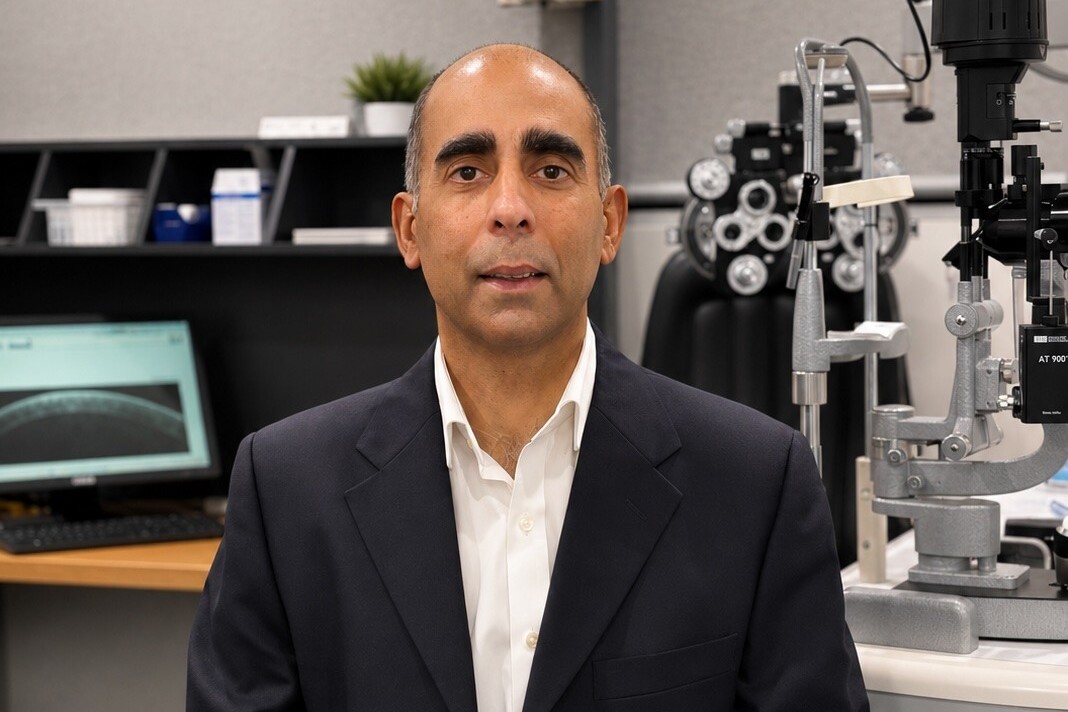
Canberra Health Services consultant ophthalmologist Dr Okera says around 20 corneal transplants are performed in the ACT each year.
“Most cases are very successful and every patient is grateful for the possibility to continue seeing,” he says.
“Donation of corneas allows sight-giving operations, often in patients who would otherwise be blind, when no other alternative is available.”

For many recipients, gratitude continues long after surgery, with patients contacting eye banks and writing de-identified letters of thanks to donor families.
For Lin Hatfield Dodds, the decision to donate her mother Beattie’s eye tissue was consistent with the way her mother had lived.
Beattie was a primary school teacher and principal, an advocate for children’s rights and safety, and an active member of her community.
“Mum was warm and bubbly, and a force of nature,” Lin says.
“She was oriented to service. The centre of my parents’ lives was their family.”
Through Dad’s illness, 16 years earlier, our family had spoken about organ and tissue donation and knew Mum’s wishes.
“Mum would be delighted that her eyes have made a difference and provided future sight for others,” Lin says.
Her advice to other families is simple: have the conversation before it is needed.
“What an incredible gift, to make someone’s life significantly better. You need to have conversations with people who love you, so they know what your wishes are.”
While corneal donation can restore sight, donated tissue can transform lives in many other ways, including helping repair and reconstruct tendons and ligaments.
Francesca Middleton-Yong knows that impact firsthand.
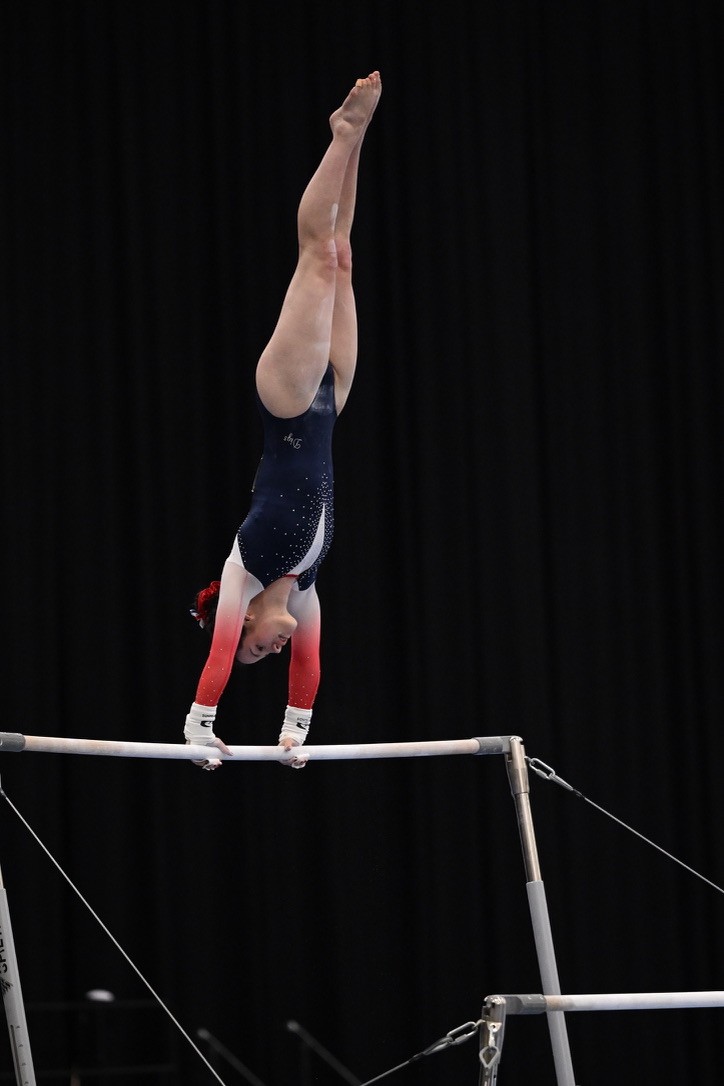
A keen gymnast who trained, competed and coached while working full-time during her gap year, Francesca ruptured her ACL in July 2025.
Her reconstruction used donated tissue, a peroneus longus tendon allograft, rather than tissue taken from her own body.
Her recovery continues, but she is steadily returning to the active life she enjoyed before her injury.
“One of the most meaningful changes after my ACL graft was simply being able to move around freely again and do the things that I previously took for granted,” Francesca says.
To the person whose donation helped make that possible, her message is heartfelt.
“I would simply say thank you. Your decision to donate has given me the opportunity to recover and keep doing the things I love.”
For Francesca, that experience has also demonstrated how far the impact of one decision can reach.
“Tissue donation can make an enormous difference to someone’s quality of life. The decision to donate can have an impact which continues long after you’re gone.”
This week, the Eye and Tissue Donation Spotlight is ultimately about starting that conversation.
Australians are encouraged to learn about eye and tissue donation, register their organ and tissue donation wishes and, importantly, tell their family and friends what they want.
Because for another person and their family, that decision could one day mean the gift of sight, mobility or a very different future.
News all day, every day at CityNewsQBN.com.au.




Leave a Reply