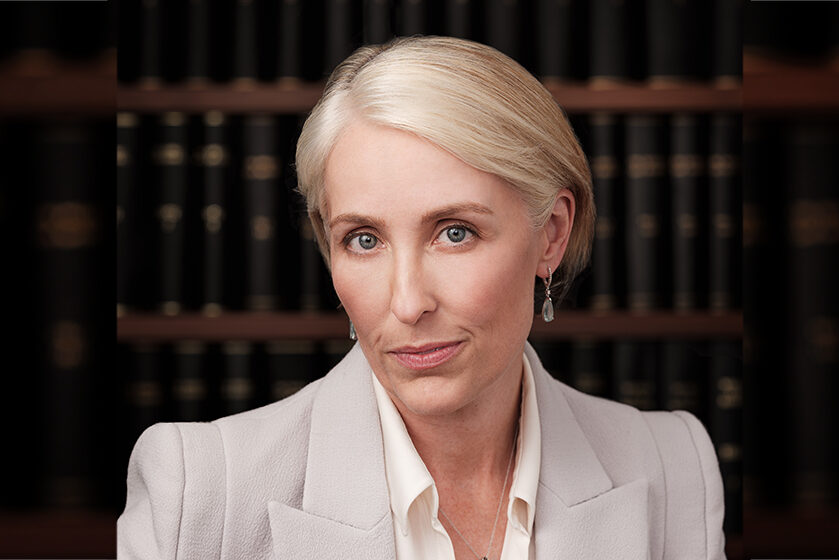
“What irony. The person with ultimate responsibility for ensuring the status of her office demeans it by victimising a sitting judge, then takes action to ensure that the victim can’t sit on cases, all the while being left unaccountable,” writes legal columnist HUGH SELBY.
The Perrottet couple at ICAC have provided a lot of fun to the spectator gallery.

Did they know that the preparations for their public unmasking had been thorough, that their reputations were about to be eviscerated?
Did they go to the witness box with the forlorn hope that a miracle would save them?
Whatever their hopes and dreams they have sunk with those ill-gotten payments weighing them down.
Perhaps that is their just desserts. They haven’t shown the Obeid talent for hiding the money away, still not recovered years later.
These ICAC hearings are public entertainment, so much better than the ACT Integrity Commission “Clayton exposes”.
At ICAC the gorged ducks are caught. They are tethered. They are then shot at point blank range.
The squawking from the witness box is the shrieks of the damned.
Do it properly or leave the field to those who can
What can be done with thorough investigation before the public hearing was on display at the recent ICAC hearings.
Similarly, several years ago in Canberra: the Sofronoff inquiry into then ACT DPP Shane Drumgold’s allegations led to his going into the witness box seemingly unaware that after their investigations he was a dead man walking.
By contrast, little can be done when there are no well-trained investigators, and/or compulsory powers to gather records and compel answers.
Expecting someone in trouble to volunteer their shortcomings is naïve.
Which raises the interesting question as to why the NSW Parliamentary Inquiry ventured into the swamp of the Dowling Wass morass without the necessary powers or the necessary skills.
These simple realities are well understood across the law enforcement space: by the Crime Commission and anti-corruption bodies.
Which takes us back to that fateful media team meeting in the NSW ODPP offices, which was attended by the DPP, Sally Dowling SC.
Following discussion at that meeting, material highly critical of a sitting NSW District Court Judge, Penelope Wass, was provided to a radio shock jock who, as expected, made the most of it.
That information was one-sided. It didn’t explain the circumstances in her courtroom or the therapeutic objectives from allowing a “welcome to country”.
Accurate information could easily enough have been obtained and checked from the prosecutor, the instructing solicitor, and the defence team. Seemingly that didn’t happen.
The misleading information was not distributed to advance the proper roles of the ODPP office or the incumbent DPP. It was character assassination, nothing less.
It was indefensible and there should have been serious repercussions for those who instigated it, permitted it and then sought to distance themselves.
It’s a pretty thin excuse for the person in charge (the DPP) to claim not noticing what was going on at a meeting that she chose to attend.
It’s even thinner to offer up a teenager’s excuse: being focused on a mobile phone at the meeting.

She’s the head of the office with the responsibility to ensure high standards of practice. When she fails then the integrity and reputation of the entire office is damaged. Think KPMG.
Here are some problems with the repeated explanations intended, and so far successful, to get Ms Dowling off the hook:
- If the media people thought it was okay to give that damaging material to select media, then who is responsible for their ignorance, not only about attacking a sitting judge, but also using the authority of the DPP to do so?
- Was there an agenda for the meeting? If so, who prepared it and to whom was it circulated?
- If there wasn’t an agenda, then who chaired the meeting? Did Ms Dowling ask what was to be discussed? If not, why not? Why was she, rather than a subordinate, at that meeting? Was she just wasting everyone’s time by being at the meeting in body but not in brain?
- Are there minutes of that meeting? If so, who prepared them, when, and to whom circulated?
- If she was there for no good reason, what does that say about her attention to detail in all other aspects of her well-paid, important job?
- Given the thinness of her excuse – readily obvious to anyone wanting to ascertain the truth – she must have thought about handing over her phone for analysis of its usage during that meeting.
As a prosecutor she knows all too well the evidential strength of phone usage reports. Did that happen? If it happened and it cleared her then everyone would have been told. So, either it happened and it was not exculpatory, or it didn’t happen – both of which are, frankly, very damaging to the DPP.
A multi-faceted scandal
Whatever happened or didn’t happen at that media meeting the subsequent events bring no credit to any participants.
The least damaging explanation is that emotions, not cooler reflections, dictated what happened.
From that starting point the other options move towards much darker explanations.
Once alerted to the radio comments the DPP should have been quick to offer a fulsome apology not only to Judge Wass for the harm done to her, but also to the courts, noting that the criminal justice system can’t work properly if the state prosecuting office falls short of expected respect towards judges.
That didn’t happen.
Thereafter the judge made her reaction well known and very public. Hindsight tells us that this was the kind of argument better handled in other ways. Perhaps attempts were made to do that. We don’t know.
Thereafter the public actions have only made the whole mess worse.
First, the Parliamentary Committee, despite a lack of necessary evidence, chose to make critical findings against Ms Dowling.
Second, that error-ridden outcome drew public statements of support for Ms Dowling from other DPP’s and Crown Prosecutors. Those statements were ill-advised. They know no more facts than we do.
That they signed up to the statement is a sad reflection on the holders of positions which once stood for the highest standards of probity and integrity.
Prosecuting is all about the strength of the evidence. The wilful withholding of evidence – which on the public reports is what happened with the Parliamentary Inquiry – is a red flag.
Hence, if they collectively wanted to say something then it should have been a call for an inquiry conducted by those with the skills and the tools to do it properly.
The collective avowal by DPPs and NSW Crown Prosecutors that they are “ministers for justice” now rings hollow.
Third, the Court of Appeal has recently decided that the judge can’t sit on some cases because her spat with the DPP leads to an apprehension of bias. That application was made by the DPP.
What irony. The person with ultimate responsibility for ensuring the status of her office demeans it by her conduct or lack of conduct with respect to victimising a sitting judge, then takes action to ensure that the victim can’t sit on cases, all the while being left unaccountable.
It gets worse. The Australian has reported this week that the NSW Attorney General Michael Daley consulted with Ms Dowling about who to appoint to crush the Parliamentary Committee’s doomed report.
That he consulted with her is gobsmacking. Imagine if we were told next week that the two senior executives of the PowerHouse Museum (about to open in its new Parramatta home) now accused of undisclosed misconduct, were asked by the NSW Arts Minister who they would like to conduct the inquiry.
In our justice system the accused do not get to recommend who investigates, who prosecutes, who judges. Or rather, we didn’t think they did.
It gets even worse. Having been asked, the only proper answer from Ms Dowling was to decline to answer on the basis that it would be improper to respond.
That is not how she responded (see here).
What should happen
What all those with an interest should have been asking for, demanding, was a proper investigation into what happened at that fateful media meeting and what happened in its aftermath.
That’s something ICAC can do. The DPP and her staff are “public officials” under the ICAC statute [ s.3 definitions]. The improper release of misleading material to the radio shock jock is caught within the “corrupt conduct” provisions [ Ss 7-9].
Apparently (using AI searches), no-one has referred this matter to ICAC? Why not?
NSW is now the only jurisdiction in the country with a credible anti-corruption body, the ICAC.
I’m sure Ms Dowling wants this matter properly resolved. It’s easy. She can make a complaint to ICAC under section 10 of its statute. Indeed by virtue of her office she may be under an obligation to do so, per section 11.
What a proper investigation will reveal as to who did what, when and why is unknown.
However, we can be confident that it will provide an evidence-based foundation to restore public confidence in the position of DPP and those who work there.
Failing that, the pub test is that if it looks like a cover up, sounds like a cover up, and smells like a cover up then it probably is a cover up – and that pretty much sums up this affair today.
Former barrister Hugh Selby is the CityNews legal affairs columnist.
News all day, every day at CityNewsQBN.com.au.




Leave a Reply