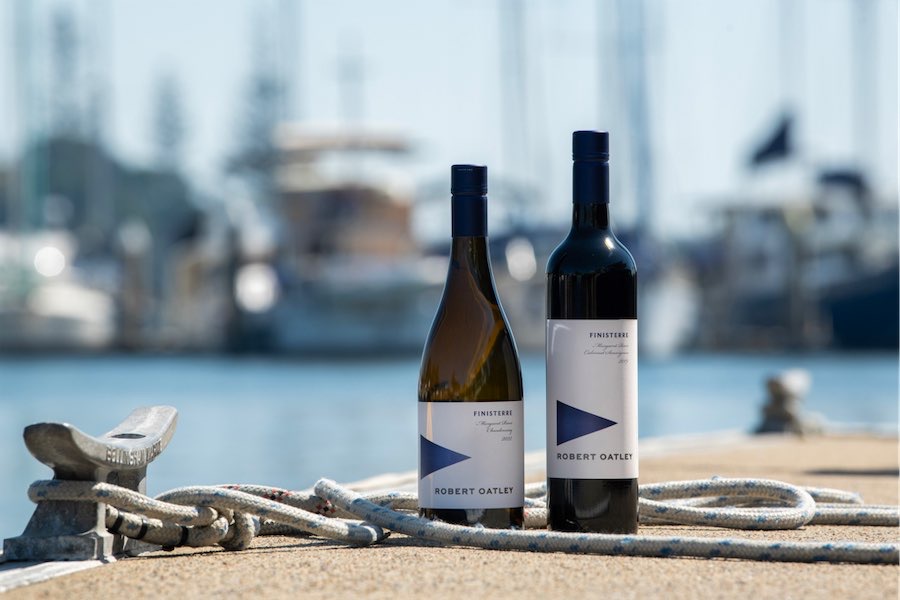
“Four bottles disappeared over seven months, each one worth opening and sharing, drinkability plus. That’s about the highest compliment I can pay a wine,” writes wine columnist RICHARD CALVER.
Last Christmas Ron Molloy, sales manager at Robert Oatley Wines, gifted me four wines from the company’s Finisterre range.

All cost around $40 a bottle, so it was a generous gift: a 2024 grenache, a 2023 chardonnay, a 2021 shiraz and a 2019 cabernet sauvignon.
The weekend just gone, we finished the last of the four bottles, the 2019 cabernet sauvignon. It was shared with family at a Sunday night dinner, with my son indicating that he had tried wines from this range previously and had been impressed with their drinkability
The Molloy gift is so much better than a lottery ticket, as one friend gave me in the holiday season. That gift resonates with there’s a 99 per cent chance this will be a loser, just like you.
In any event, the name Finisterre derives from the Latin finis terrae, meaning “end of the earth” and, according to the company’s website, is said to be applicable to the wines so labelled because the “constant pursuit of quality finds us amongst the great viticultural regions of Australia, each offering a unique combination of earth and climate, allowing vines to flourish and produce fruit with great balance.”
This sounds hyperbolic, but the sourcing of grapes is reflective of the care that goes into making this range of wines.
For example, the 2023 chardonnay is sourced from grapes “selected from a range of sites across the Margaret River region, from Karridale in the south through to Wilyabrup in the north”.
This chardonnay had a hint of butter from some of the grapes being subject to malolactic fermentation, and a finish that gave a peachy flavour, like many styles of chardonnay that are pleasing and “drinkable” as opposed to the style that hits you around the head with butter and oak.
Back to the recent dinner: the 2019 cabernet sauvignon was softer than anticipated, with the label indicating that this wine could have been cellared for 15 years. The grapes were also grown in Margaret River.
It was smooth and balanced and went well with the beef dish that was the main course with the tannins, albeit subdued, still doing the job of cutting through the slow-cooked beef and Guiness-based sauce. A pleasant wine.
The grenache was my least favourite of the wines provided. It was made from grapes grown in McLaren Vale. It was a light wine made to be consumed on a hot day slightly chilled, with very forward fruit flavours, principally raspberry with a floral edge.
But the shiraz was very much to my preference. This is a blend of selected parcels of shiraz from the Blewitt Springs, Willunga, and McLaren Flats districts of McLaren Vale.
There was a very real brightness to the fruit in this wine, with a refreshing blueberry back palate and a touch of spice in the finish. It was very easy drinking and had some depth although a longer cellaring would only see this wine improve.
Four bottles disappeared over seven months, each one worth opening and sharing, drinkability plus. That’s about the highest compliment I can pay a wine.
News all day, every day at CityNewsQBN.com.au.



Leave a Reply