By Stephanie Gardiner in Orange
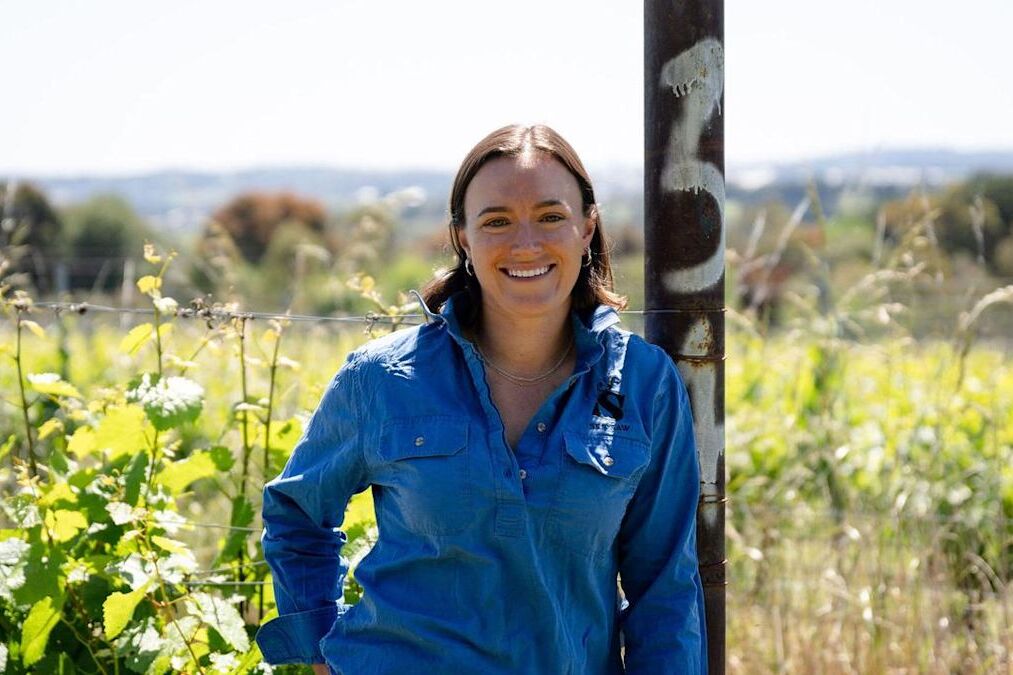
At a cool climate winery in the shadow of an extinct volcano, solar panels soak up the sunshine and sheep quietly graze under the vines.
Generating renewable energy and letting sheep naturally slash vines and fertilise the soil is how See Saw organic winery tries to boost both sustainability and profit.
Maggie Jarrett, the sustainability manager at her family’s winery on the outskirts of Orange, central western NSW, said renewable energy could be considered another product of the land.
“We genuinely believe this is one of the biggest opportunities regional, rural Australia and the agriculture sector have had in at least a generation,” Ms Jarrett told the National Renewables in Agriculture conference in Orange on Wednesday.
The family has planted thousands of trees, fenced off waterways, switched grape varieties to suit the climate, bought electric vehicles and installed 10-kilowatt solar systems across their three sites.
See Saw is also part of a pilot program to test the feasibility of floating solar panels to generate energy and reduce evaporation.
Ms Jarrett recently travelled overseas as a Nuffield scholar, a prominent agricultural accolade, to examine how environmental reporting and sustainability data could unlock value for producers.
Her research found farmers prospered when they understood the intricacies of their operation, such as soil and climate conditions, alongside the global context of markets and policy.
The Jarrett family’s goal is to improve both the landscape and profit margins, with a long-term goal of a decarbonised closed-loop operation, she said.
“Abundant energy and a stable income stream made us more creative, more willing to experiment instead of being stuck in a survival mindset,” Ms Jarrett said.
The conference attracted hundreds of farmers and policymakers, which also heard from a Victorian dairy farmer using solar and a poultry farmer turning manure into energy and fertiliser.
Australian National University climatologist Mark Howden urged farmers to listen to science rather than online misinformation about climate change.
Incorporating renewable energy into agriculture could cushion the impact of climate risks, such as drought, heat and floods, Professor Howden said.
“I would suggest … the future of Australian farming is not what it used to be, growing grain and livestock,” he said.
“It’s doing all those things, plus becoming energy farmers and that’s a really great future for Australian agriculture.”
The renewables roll-out has faced backlash in rural communities over land use, a perceived lack of consultation and the destruction of habitats and Indigenous sites.
NSW Environment Minister Penny Sharpe said mistakes were inevitable during an accelerated roll-out of infrastructure.
The government was continually working to improve standards, consultation and benefits for host communities, Ms Sharpe said.
“We cannot build trust with communities if we don’t do what we say we’re going to do,” she told reporters.
Ms Jarrett will present her international research at the Nuffield Australia conference in Darwin in September.
News all day, every day at CityNewsQBN.com.au.



Leave a Reply