Music / Divine Bohemians, Australian Haydn Ensemble, Gandel Hall, National Gallery of Australia July 30. Reviewed by LEN POWER
Bohemian composer, Josef Mysliveček, so out-Italianed the Italians that they dubbed him il divino boemo – the divine Bohemian.
This concert showcased music by the relatively unknown Bohemian composers Mysliveček, and Paul Wranitzky as well as works by Beethoven and Haydn. A composer of note, Wranitsky was also a respected conductor in Vienna and premiered Beethoven’s 1st Symphony. Mysliveček was a close friend and mentor of the young Mozart.
The Beethoven and Haydn works were both commissioned by the Bohemian arts patron, Prince Lobkowitz.
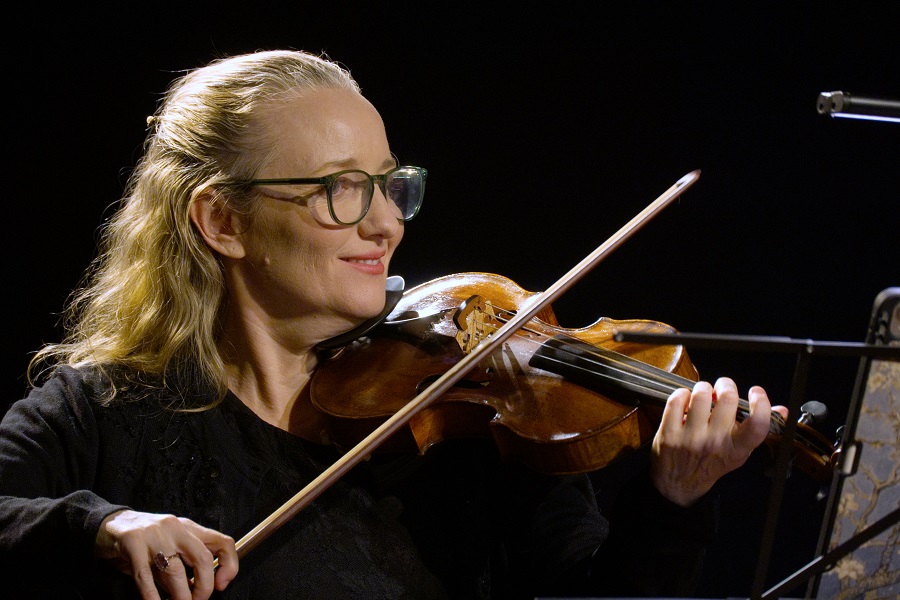
The Australian Haydn Ensemble of Skye McIntosh, artistic director and violin, Matthew Greco, violin, Rafael Font, viola, and Daniel Yeadon, cello, commenced with Haydn’s String Quartet Op. 77 No. 1 in G. Written late in life, this work, full of Haydn’s wit and unpredictability, was given a charming performance.
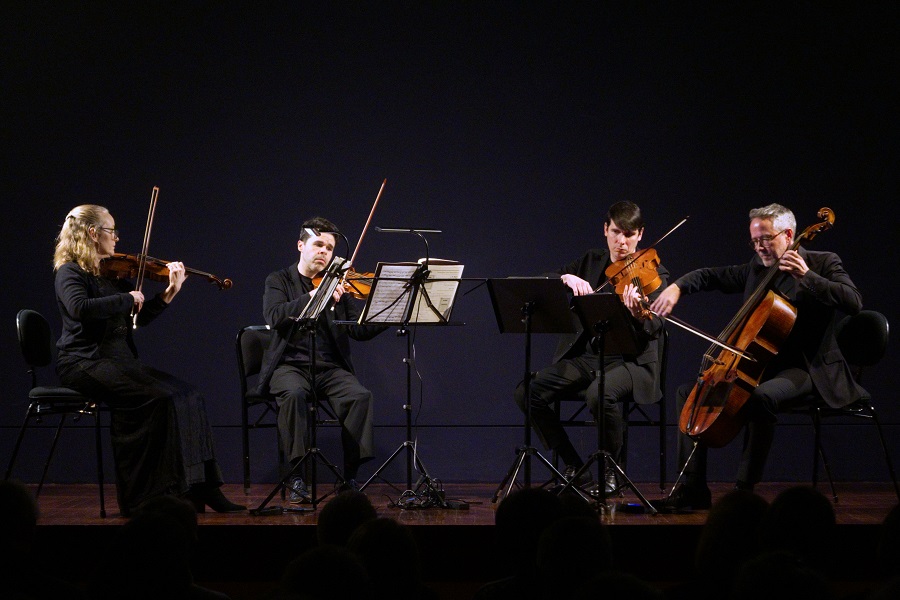
The second movement, Adagio, is deeply expressive and emotional and the hint of the Hungarian countryside in the finale was a nice surprise. The ensemble played it with a freshness and sparkle that was delightful. They clearly enjoyed playing it.
The second work presented was Wranitzky’s String Quartet Op. 49 in D minor. The dramatic first movement led to an unusual Largo, played with mutes to create a dreamlike, misty sound. So sensitively played, it was one of the highlights of this concert.
The second half of the concert commenced with just the second movement, Larghetto, of Mysliveček’s String Quartet Op. 3 No. 6. This short, slow movement with its wistful melodies left you wanting to hear more of this composer’s works.
Finally, the ensemble played Beethoven’s String Quartet Op.18 No. 3 in D. This early work showed Beethoven’s maturing talent with its lyrical first movement leading to a pounding climax. The Andante second movement with the second violin prominent was nicely reflective and the playful finale was exciting and an uplifting end to this very enjoyable concert.
News all day, every day at CityNewsQBN.com.au.


Leave a Reply