“The air we breathe is far more than empty space – it’s a finely balanced mixture of gases that sustains life,” writes Whimsy columnist CLIVE WILLIAMS.
“I don’t like all this fresh air. I’m from Los Angeles. I don’t trust any air I can’t see.” –Bob Hope
It’s said we are what we eat but it’s equally true to say we are what we breathe.

We take air for granted unless it’s polluted or toxic, but what actually comprises the air that we breathe?
Despite its importance to our survival, most people don’t know.
Well, the bulk of Earth’s atmosphere consists of nitrogen and oxygen, with small amounts of other gases and trace compounds. By volume, dry air at sea level is made up of approximately:
- Nitrogen (78 per cent) – The most abundant gas in the atmosphere. Though inert in its molecular form, nitrogen is essential for life as a building block of amino acids and proteins once it is “fixed” into biologically usable compounds such as nitrates.
- Oxygen (21 per cent) – The gas most critical for animal and human life. Through respiration, oxygen fuels the chemical reactions in our cells that release energy from food. (But a higher concentration of oxygen can cause health problems for humans.)
- Argon (0.93 per cent) – An inert noble gas that does not participate in biological processes but contributes to the atmosphere’s stability.
- Carbon dioxide (0.04 per cent) – Present in small quantities, but vital for photosynthesis in plants. Despite its low concentration, it has an outsized role in climate regulation, trapping heat in the atmosphere.
Water vapour is a highly variable component of the atmosphere, ranging from near zero in deserts to over four per cent by volume in the humid tropics. It plays a key role in weather patterns, influences temperature, and enables precipitation.
The air we breathe is far more than empty space – it’s a finely balanced mixture of gases that sustains life.
Oxygen powers our cells, nitrogen provides stability, carbon dioxide helps regulate biological and planetary systems, and trace gases affect both health and climate.
When this balance is disrupted – by pollution, greenhouse emissions, or oxygen loss – human health and ecosystems are put at risk.
The primary way air benefits us is through breathing it. Humans inhale oxygen and exhale carbon dioxide.
In our lungs, oxygen diffuses into the bloodstream and binds to haemoglobin in red blood cells. It is then transported to tissues, where cellular respiration converts nutrients into usable energy.
Without a steady supply of oxygen, brain function falters within minutes, showing just how dependent we are on oxygen.
Many Canberrans head off to the coast because they feel better there. Why is that?
Seaside air is often fresher, moister and psychologically restorative compared to city air. Sea spray contains tiny salt particles. Breathing them can help thin mucus and clear airways – similar in principle to using saline sprays. That’s why people with asthma, sinus issues or allergies sometimes feel relief near the sea.
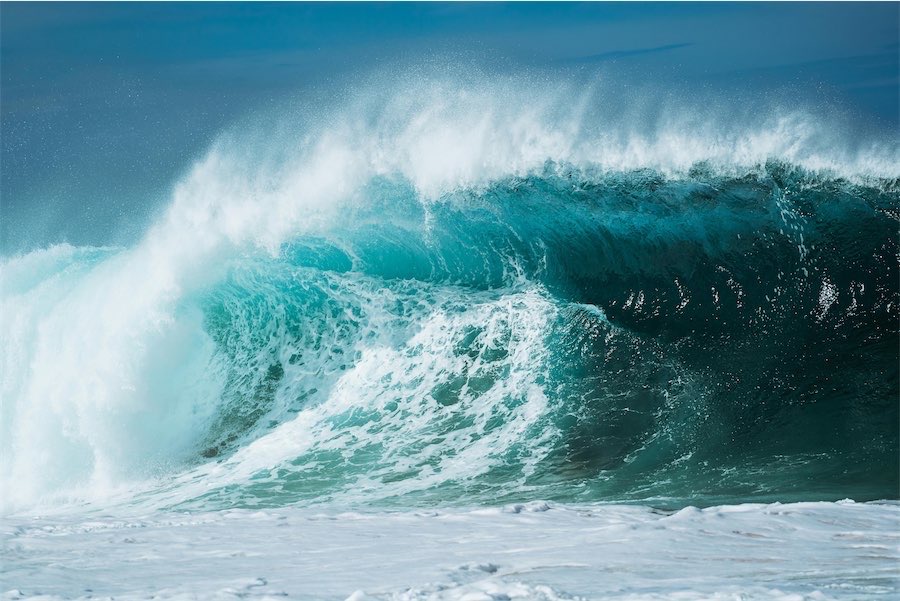
Breaking waves release negatively charged ions, which some research suggests may improve mood, boost alertness, and promote relaxation by increasing serotonin levels.
While it’s not a cure-all, spending time by the sea can improve breathing comfort, reduce stress and contribute to overall well-being.
On a lighter note: A doctor, a lawyer and an engineer are playing 18 holes at their local golf course and find they’re stuck behind a really slow foursome.
After taking an hour and a half to get through three holes, they call one of the club stewards over and complain about the hold-up.
“Well, gents,” says the steward, “these guys are firies, and they were all blinded by an explosion while rescuing local children from a fire. So, the club committee voted to let them play here once a week for free.
“We’re sorry for the inconvenience, but I’m sure you’ll understand it’s the least the community could do for them.”
The doctor says: “There’s all sorts of pioneering work being done now in restoring sight – I’ll see what can be done for them.”
The lawyer says: “That’s likely to run into big money. I bet these guys aren’t getting adequate compensation. I’ll take their case pro-bono.”
The more practical engineer suggests: “Since they’re all blind, why can’t they play at night?”
Clive Williams is a Canberra columnist
News all day, every day at CityNewsQBN.com.au.





Leave a Reply