I’m livin’ in the 70’s
Eatin’ fake food under plastic trees
My face gets dirty just a-walkin’ around
I need another pill to calm me down
If you’ve never heard of Skyhooks, it’s obvious that you weren’t living in the ’70s, as their song went. Not to worry. The National Library is about to make up for that, says arts editor HELEN MUSA.
In its newest exhibition, 1975: Living in the Seventies, the National Library is staging a massive nostalgia trip for those who were there and an introduction to the wild side for those who weren’t.
And what better year to focus on than 1975, just 50 years ago?
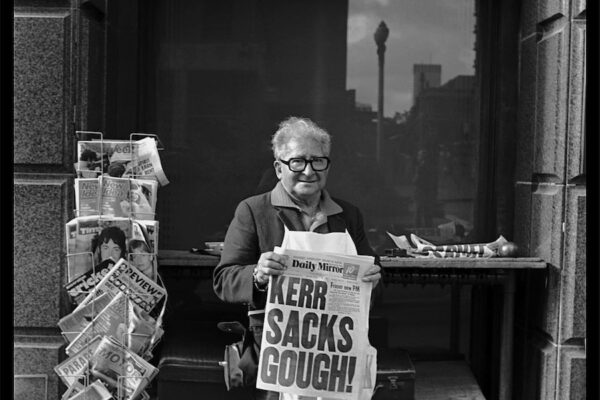
A year bookended by the clean up from Tracey and the dismissal of the Whitlam government, it also saw the end of the war in Vietnam, the independence of Papua New Guinea, the Indonesian invasion of East Timor and the subsequent murder of five Australian-based journalists at Balibo.
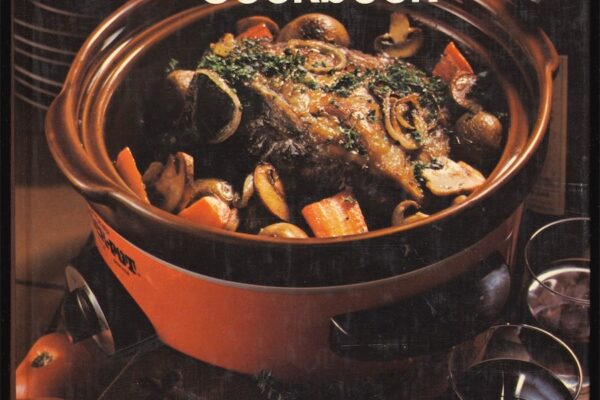
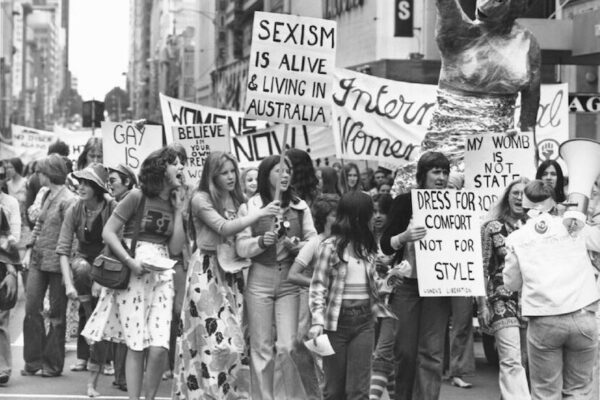
Designated International Women’s Year, 1975 was a year of feminism, with the publication of Anne Summers’ book Damned Whores and God’s Police, but there was also Margaret Fulton’s elevation of the humble crockpot to become the acme of Australian cuisine.
Curator Guy Hansen was only 11 at the time, but images of flared jeans, platform shoes and the colour palette of burnt orange and Mission Brown are indelibly imprinted on his memory, and on the décor of the NLA’s exhibition of posters, photos and artefacts from the era.
You can fairly bet that the moment you see those orange walls you’ll experience an instant flashback.
Each individual viewer will find something to latch on to in this exhibition, although Hansen is adamant that the show, drawn from the collections of the National Library, explores far more than Baby Boomer nostalgia.
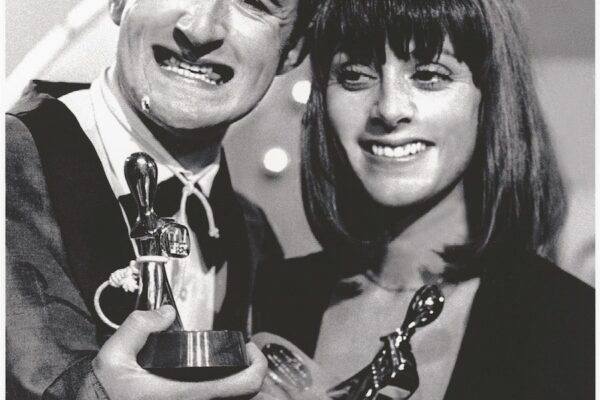
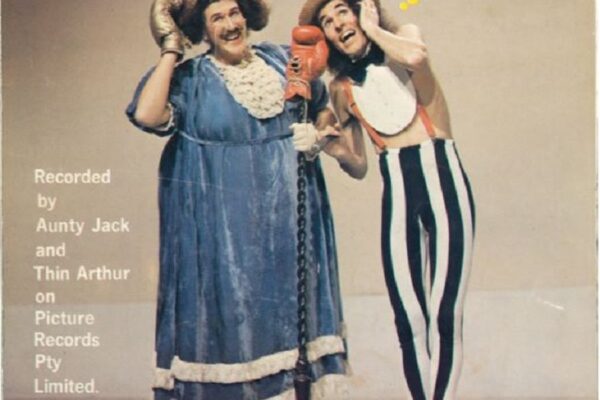
Personally, I rushed to find a picture of Grahame Bond as the cross-dressing Aunty Jack, who would threaten to “rip yer bloody arms off” and who famously stepped from black and white to colour TV on ABC TV in March 1975.
Others will be looking out for Garry McDonald as Norman Gunston, the fictional character who would front up to interview real-life politicians, or for controversial sporting heroes such as Rugby League’s Graeme Langlands, who scandalised fans by wearing white Adidas boots on the field.
The exhibition also focuses on the boom in Aussie culture under the Whitlam government, seen through arts identities such as Bob Ellis, Anne Brooksbank, Judy Cassab and Brett Whiteley, and in a formidable line-up of movies, not least Jim Sharman’s The Rocky Horror Picture Show, Peter Weir’s Picnic at Hanging Rock and Ken Hannam’s Sunday Too Far Away, all launched in 1975.
There’s also the advent on the small screen of Countdown, with Ian “Molly” Meldrum, who introduced Abba and championed AC/DC.
On air, Double Jay Rock began broadcasting in January 1975, with the first record played being Skyhooks’ outrageous number, You Just Like Me ‘Cos I’m Good in Bed.
It was a good year for Skyhooks, whose 1975 national tour promoted the number Living in the ’70s, a success only eclipsed by their 1975 single, Ego Is Not a Dirty Word.
The sense of revived nationalism meant that 1975 also proved a time of significant social change and awareness, with the introduction of Medibank, the new Australian honours system, no-fault divorce, the Victorian government’s Life Be In It health campaign, and the publication of Animal Liberation by Australian philosopher Peter Singer.
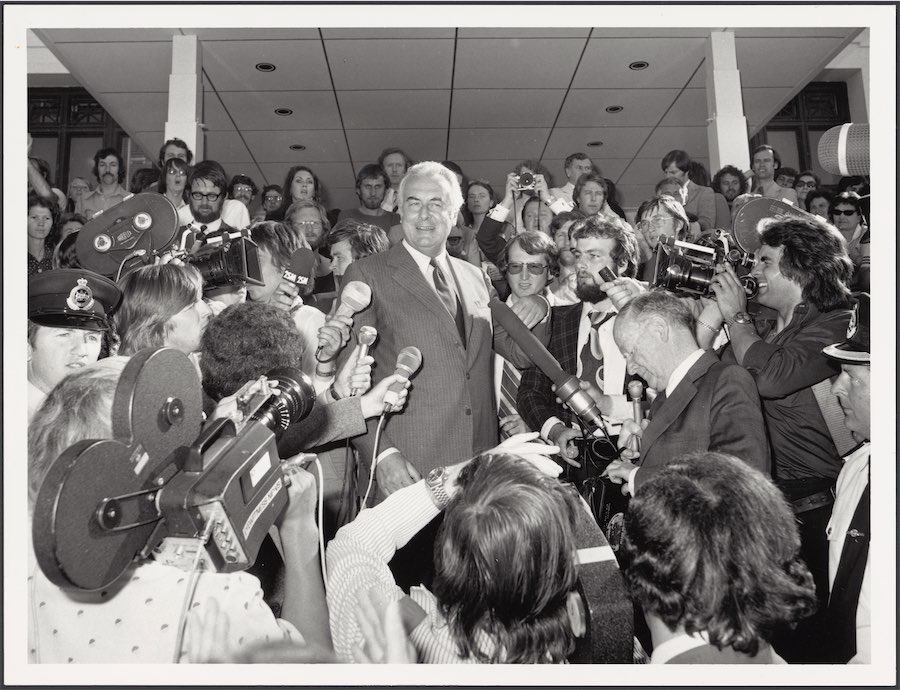
Rising like a colossus among a year of momentous events is the singular figure of Edward Gough Whitlam, the very tall Prime Minister of Australia who was in November 1975 sacked by Governor-General Sir John Kerr and replaced after a quick federal election by Malcolm Fraser. Many of his admirers regarded it as the end of a golden era of social reform and artistic licence.
With this in mind, Hansen and his colleagues have devoted the last part of the exhibition to what is nowadays simply known as The Dismissal.
Director-General of the National Library Marie-Louise Ayres notes that there are twice as many Australians in 2025 as there were in 1975. Hansen, too, sees it as “different from what Australia is now, with a sort of non-digital childhood… a vibrant, colourful time which was fun, but serious, too.”
1975: Living in the Seventies, at the National Library of Australia, August 14-February 1, 2026. Entry is free.
News all day, every day at CityNewsQBN.com.au.


Leave a Reply