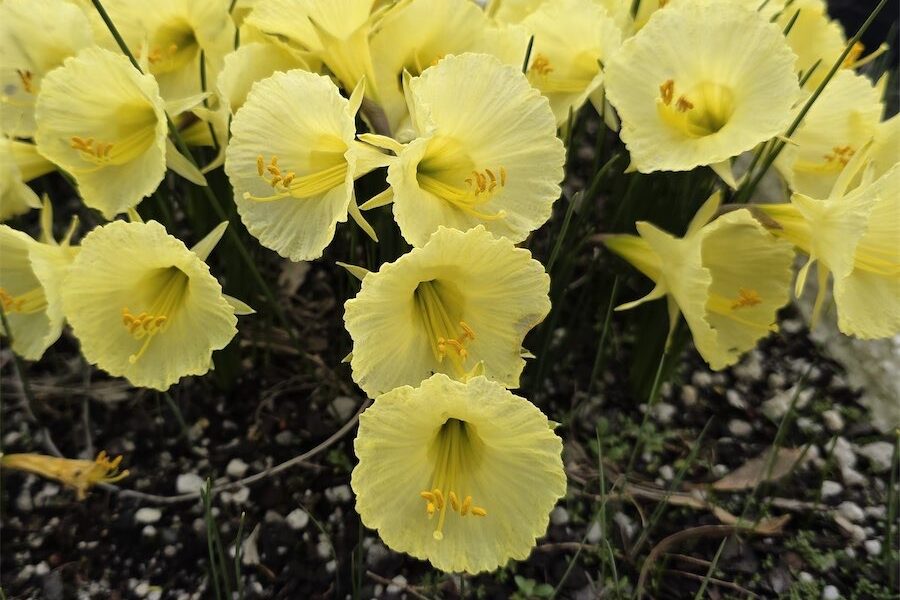
Feeding bulbs now is important for giving them energy for next year’s growth. Photo: Jackie Warburton
Winter bulbs are putting on a spectacular display, but feeding them now will help ensure another colourful flowering season next year, says gardening columnist JACKIE WARBURTON.
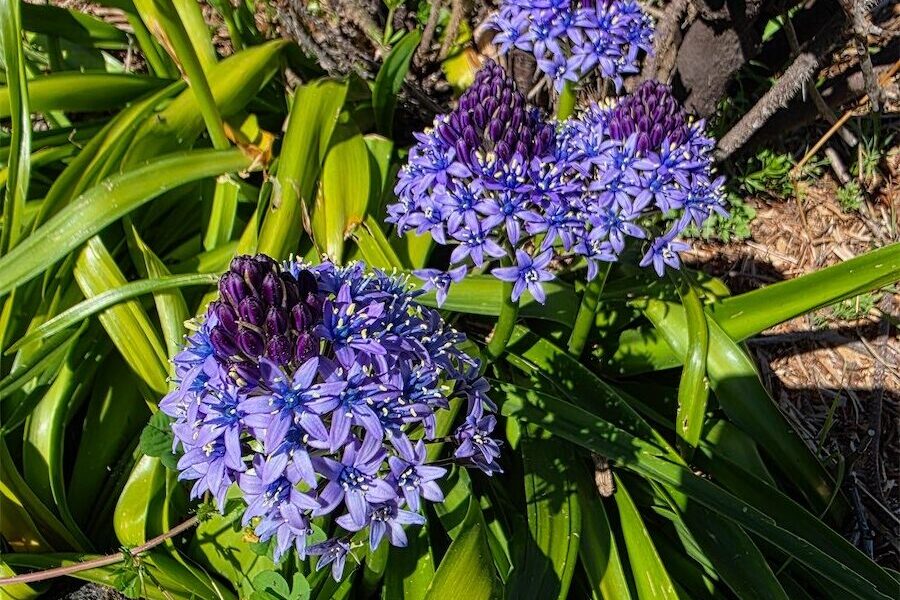
Winter bulbs are putting on a show in the garden, with the fragrance of many filling the garden or a vase indoors.
Jackie Warburton.
Feeding bulbs that are growing now is important. As the weather warms and the foliage begins to die back, they will have the energy stored for next year’s growth.
Although many bulbs are dormant in summer, they can be prone to rotting if too much water is applied. Bulbs can be lifted and stored for replanting in spring.
If clumps are not flowering as well as they have in the past, they can be divided, stored in a dry place out of direct sunlight, then replanted in autumn.
While winter and spring bulbs are the most popular for our region, there are also summer and autumn bulbs that can be planted now. Summer bulbs such as Christmas lilies, tiger lilies and gladiolus can be planted, along with autumn bulbs including nerines, Colchicums and autumn crocus.
Planting depth depends on the bulb. Most South African bulbs prefer to be planted just below the soil surface, while daffodils, for example, need deeper soil. Be sure of the recommended planting depth to achieve the best results.
The elm leaf beetle… they can defoliate a tree and cause stress over time. Photo: Jackie Warburton
WITH spring just around the corner, many of the region’s deciduous trees are waking from winter dormancy.
One of the best examples is the elm tree. English elms and American elms are common in our region, valued as large, majestic, slow-growing shade trees that can live for up to 100 years.
Unfortunately, elm trees are attacked by elm leaf beetles, which can defoliate a tree and cause stress over time. The beetles hibernate in the ground during winter. Once the trees are in flower and the sap begins to rise, they emerge from leaf litter or nearby buildings to lay eggs on the foliage. Their numbers can increase rapidly, causing significant damage in a single season.
Adult beetles chew circular holes in the leaves, but it is the larvae that do the greatest damage by skeletonising the foliage in summer. By then, it is too late for treatment.
Dutch elm disease has wiped out these trees in their native habitat. Australia is currently free of the disease and has the largest elm tree population in the world, making these trees well worth protecting.
If you have an elm tree in your garden, the best way to prevent infestation is to keep the garden well watered and maintain the tree in good health. Trunk banding can help stop some beetles from crawling up the trunk, but because they are low-flying insects it will not prevent all of them from reaching the leaves.
Another option is to inject treatment into the tree. The treatment should remain effective for at least two years, is non-residual, affects only the elm beetle, and is safe for surrounding plants and other insects. More information at terrasolarus.com.au/elm-tree-treatments.
STONE fruit trees will soon begin to show signs of growth in the orchard. They can be sprayed with copper oxychloride to prevent leaf curl on peaches and nectarines, and shot holes on apricots and plums.
Lime sulphur can also be used, although it leaves a gaseous odour for a day or two. Importantly, do not use lime sulphur on apricot trees, as it will cause severe branch dieback. Copper oxychloride is the only suitable treatment for apricots.
All spraying should be completed before flowering to prevent damage to the fruit. Spray only when the weather is dry and there is no wind.
Jottings
Divide rhubarb and replant crowns.
Spray citrus with oil to keep stink bugs at bay.
Sow tomato, eggplant and capsicum seeds.
Fertilise lawns with urea to eradicate broadleaf weeds.
With soil warming, it’s time to plant tomatoes, capsicums, cucumbers and other summer vegetables for a productive harvest, writes gardening columnist JACKIE WARBURTON.
"In 2026, NZ had an increase in overall sales of wine of eight per cent, a remarkable statistic given the global decline in wine sales generally," reports wine columnist RICHARD CALVER.
Hats off to the National Gallery for repositioning its café – Oculus Café x Kitchen by Mike – to the ground-floor foyer with views of the Sculpture Garden, writes dining reviewer WENDY JOHNSON.




Leave a Reply