2025 – that was the year that was… and here it is, month by month, through the bright eyes of the CityNews columnists – a quirky, serious, funny and sad look at the 12 months just gone. RICHARD CALVER shares his feelings about April…
April delivered the last leg of the election race that was held on May 3, with the “launch” of Labor and Liberal campaigns occurring on April 13.

The famous line “April is the cruellest month” from TS Eliot’s The Waste Land shows the paradox of the hope and the dismay in the blossoming of northern hemisphere spring.
The promised renewal in April also brings pain. Like some of the election promises made in April, hope is mired in doubt: “I will show you fear in a handful of dust.”
That sentiment is evoked by the distance between election promises on housing and what has eventuated. It’s also the feeling I got from the April 12 statement by Senator Jacinta Nampijinpa Price that the Coalition would “make Australia great again”. Sigh.
At a memorable Easter dinner my adult children both lamented that, despite their acceptable salaries, their chances of owning property were becoming increasingly remote, to which I responded, not if I die early.
That statement reminded me why I had never written an article about Jesus’ crucifixion and subsequent resurrection: too many cross references.
But at a later dinner in August, I recalled our April conversation about housing affordability after reading a survey that said about 83 per cent of suburbs across the country are unaffordable for those earning the average pre-tax household income (about $100,000 a year). My children’s April lament was given a factual basis.
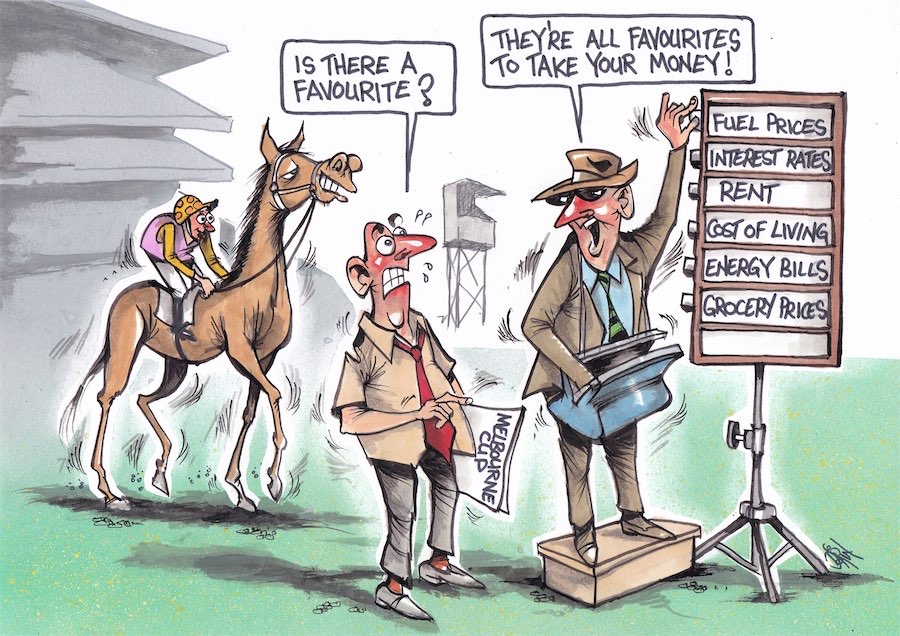
Both major parties offered promises to alleviate the housing crisis. In a contest centred on the cost of living, rising housing costs was an issue addressed by all parties.
Controversially, the Liberals proposed that interest on a mortgage could be tax deductible but in limited circumstances. It was only to apply to first home buyers, to new homes and for five years, as well as on the condition the buyer remained living in the home. There would have been a means test, and the interest deductibility would only be available on the first $650,000 of the loan. It was costed at $1.25 billion over the forward estimates.
This policy garnered harsh criticism. When combined with the Liberals’ policy to give people access to their superannuation for a deposit, one economist branded it as the worst policy decision of the 21st century so far based on historic evidence that anything allowing people to spend more on housing than they otherwise would results in more expensive housing and a smaller proportion of the population owning it.
A 2007 study by Abelson and Joyeux (“Price and efficiency effects of taxes and subsidies for Australian housing”) for example quantifies that the overall subsidy afforded homeowners from major subsidies and taxes that affect housing increases all housing prices by about 2 per cent and total housing consumption by about 2 per cent.
In addition, the Organisation for Economic Co-operation and Development indicates that tax breaks favouring housing and capital gains in housing are associated with young people being locked out of home ownership.
The Labor party policies were a promised investment of $10 billion for the construction of up to 100,000 new homes to be sold only to first homeowners. Also, the then extant scheme under which the government guarantees a 5 per cent home deposit would have the means test removed, something which has occurred since October 1, including other “strengthening” of the scheme.
But my fear, in part realised by house price rises, is that this scheme will only assist to further fuel house prices.
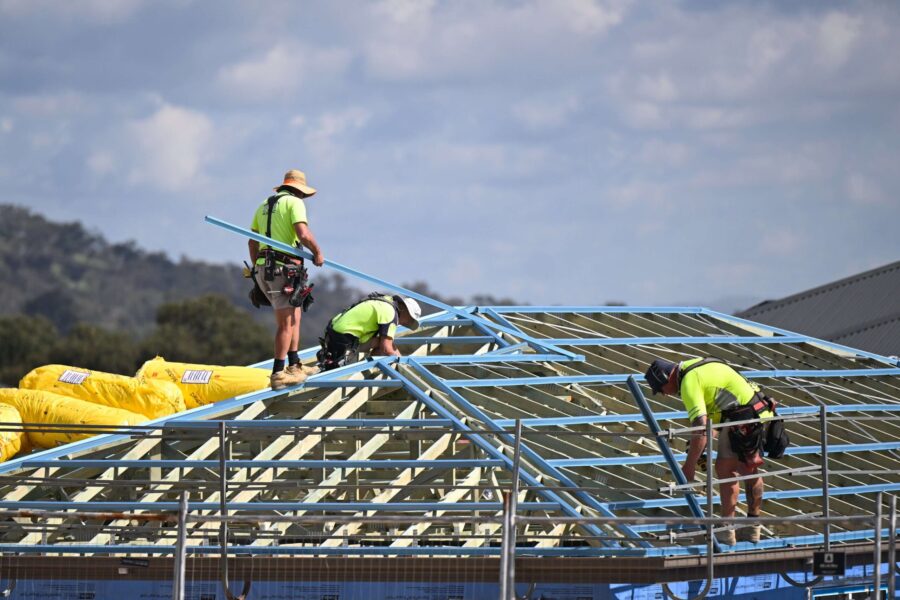
Back to the April announcements: One Nation campaigned on cutting immigration and reducing taxes on building materials for new houses. The issue of immigration is vexed. One view is that housing demand in part increased because of rapid immigration after the pandemic. The federal government sought to address supply-side problems by promising the construction of 1.2 million “well-located” homes over five years. But the supply side constraints, particularly in relation to a shortage of skilled trades, makes this target a pipe dream.
I find myself agreeing with Senator David Pocock that this issue needs to transcend economics: by treating housing as a human right, his approach frames affordability and security of tenure as social justice issues where the cruelty of the market can be bypassed.
Lawyer Richard Calver is the CityNews wine columnist.
News all day, every day at CityNewsQBN.com.au.


Leave a Reply