
Gardening writer JACKIE WARBURTON takes a sniff at a couple of big-fragrance shrubs and shares some tips for making the most of apple and pear trees.
By mid-to-late spring the large, long-lived deciduous shrubs such as mock orange and deutzia are in full bloom and can fill any garden with the most divine fragrance.

Considered old-fashioned plants, they can survive our winters and summers.
They produce autumnal colour and, as a bonus, their leaves can be turned into compost.
Mock orange (Philadelphus coronarius) is a large shrub that needs room to grow. It flowers on old wood, so ensure pruning is done straight after flowering to encourage it to put on new growth in the summer and flower next year.
It can be pruned with secateurs or with a hedge trimmer to keep its shape. It’s also a shrub that can cope with a hard prune every few years to keep it in check.
Overall though, it’s a drought-hardy plant that’s very suitable for our soils.
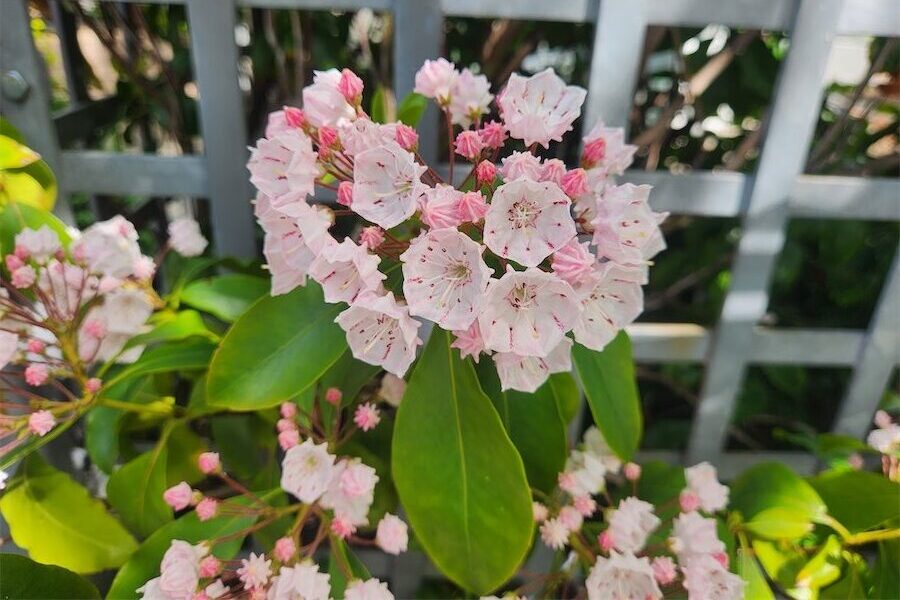
Deutzias pair well with mock orange. They come from the hydrangea family and have smaller flowers. They also come with pink flowers.
They’re more upright and like full sun or part shade to flower well. Its lime green foliage can be a lovely contrast and its foliage turns yellow in autumn.
Both of these shrubs are easy to propagate. A softwood cutting can be taken from young shoots that have not flowered over summer or, in the autumn, use semi-ripe cuttings that are more brown and hard.
Place the cutting into a seed-raising mix that doesn’t have any fertiliser. Keep moist but not wet. It can be an advantage to use a little hormone gel to help generate root growth.
Leave it in a pot until you see new growth and roots growing from the bottom of the cutting. Move it into a bigger pot if needed and plant in the garden when the new plant is about 10-15 centimetres tall.

APPLE and pear trees will need the most water over the next few months and this will go a long way to having full-sized juicy fruit.
The main pest problem we have in our region is pear and cherry slug. They are the larvae of the sawfly and the first generation is emerging now.
It can be treated if there is leaf damage. Unfortunately, the slug will defoliate a healthy tree in no time and although the damage won’t kill the tree, it does limit the tree’s photosynthesis and its yield.
Any products with natural ingredients such as spinetoram (which is derived from soil bacteria) is suitable for fruit and vegetables in the home garden.
Success Ultra is also useful for treating codling moths and caterpillars in the vegetable patch. It’s important to read and follow the instructions on the packaging.
Now’s also a good time to have a look at apple and pear trees that have small fruit on them.
Clusters of small fruit can be thinned to only leave a few fruit on each branch and this will result in bigger and better fruit, and give room for the fruit to grow. It also prevents branches breaking with the weight of the fruit. Doing this every year will go a long way to preventing fruit trees from being bi-annual fruiting and encouraging the tree to produce fruiting annually.
Although spring and autumn is the best time to fertilise apples and pears, they can also have compost topped up to keep the moisture in the soil and keep their roots cool.
Once fruit is formed the tree will need to be netted to prevent damage from birds and possums and try to use animal-friendly netting.
Jottings
- Direct sow cosmos and zinnias for a summer display.
- Continue to tie up tomatoes, keeping them off the ground.
- Get the last of the hedges pruned before the summer heat.
- Foliar feed (spray liquid fertiliser directly on to plants) the whole garden.
News all day, every day at CityNewsQBN.com.au.


Leave a Reply