
“As the wines came up to room temperature, strangely both developed secondary fermentation, with bubbles of carbon dioxide evident, more so in the riesling,” writes wine columnist RICHARD CALVER.
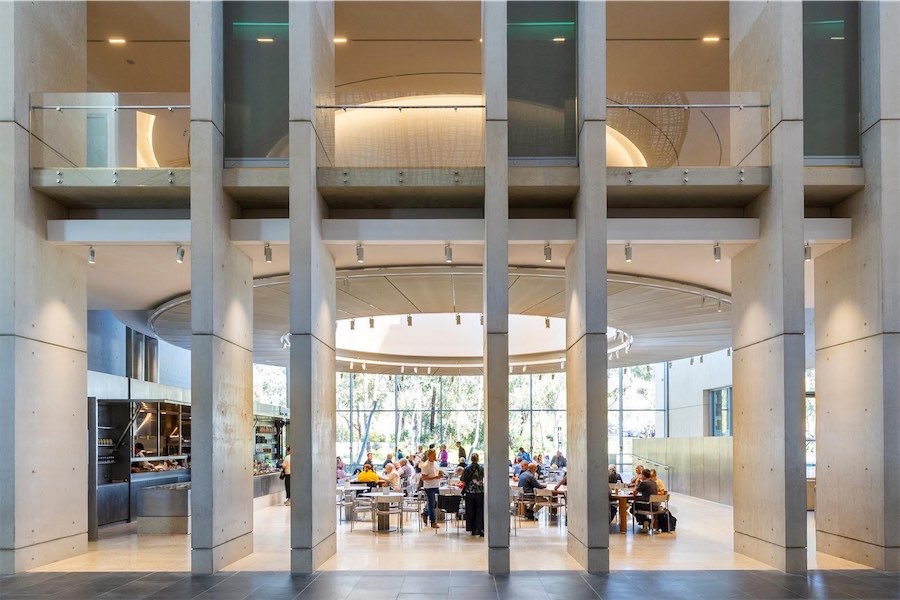
It was another lunch at the Kingston foreshore with the four of us choosing to take the BYO option: two of us brought white wine to go with the Thai food.

This repetition is a bad habit because it’s based on laziness: the lunchtime special is great value and the food is more than passable so why change?
Speaking of bad habits, I’m reminded of the problem gambler who told me his wife was leaving him because of his addiction. He mentioned that all he could think about was winning her back.
The first bottle was a 2023 Eden Valley riesling from the Barossa-based Burge Family Winemakers, which I’d bought direct from the maker at a very good price, $18.
The second was a 2024 Stadt Krems Grüner Veltliner “Lössterrassen” from Austria that mate Tom had picked up from a local wine store that morning for around $28. Each was very good.
The riesling was pale yellow in colour with a citrus nose and a good balance of sweetness and acid in the finish. The Gruner Veltliner was also light yellow in colour but with a very different bouquet, herbaceous. It finished sweeter than the riesling but with a complex palate ending with the expected pear finish.
The riesling sat in a bucket and had been chilled at home. The gruner veltliner was also pre-chilled. But as the wines came up to room temperature strangely both developed secondary fermentation, with bubbles of carbon dioxide evident, more so in the riesling.
Secondary fermentation is often desirable: think the making of champagne or the making of natural wines that don’t include sulphites, which otherwise help to stabilise the wine.
In the first there is the process of dosage: this is a liqueur or sugary liquid, added to the wine after the first fermentation, that generally contains 500-750 grams of sugar per litre. This addition balances the acidity and gives it sweetness.
In natural wines fermentation continues in the bottle, often leaving them with a cloudy and bubbly appearance.
In the wines we had at lunch, it was just the recurrence of the yeast eating the sugar in the wine, which was also aided by the warm temperature in the restaurant.
This process produces carbon dioxide which, unless the wine tastes bad, is not anything to worry about and can be assisted by decanting the wine. Decanting in restaurants though is often difficult.
That process would also have assisted the gruner veltliner in particular: it was labelled as vegan friendly and the last pour from the bottle contained a sludge of white sediment, showing that the wine had not been fined.
Fining is removing unwanted elements in the wine, such as some sediment or tannins and phenolics. It is often undertaken using animal products such as egg whites or casein.
A fish-derived substance is also used in particular to clarify white wines and bring out their fruit flavours: it’s stuff called isinglass, which is derived from the swim bladders of certain tropical and subtropical fish and therefore also makes the wine non-vegan.
But is eating or drinking non-vegan a bad habit? I think people who sell meat are disgusting; but apparently people who sell fruit and vegetables are grocer.
News all day, every day at CityNewsQBN.com.au.


Leave a Reply