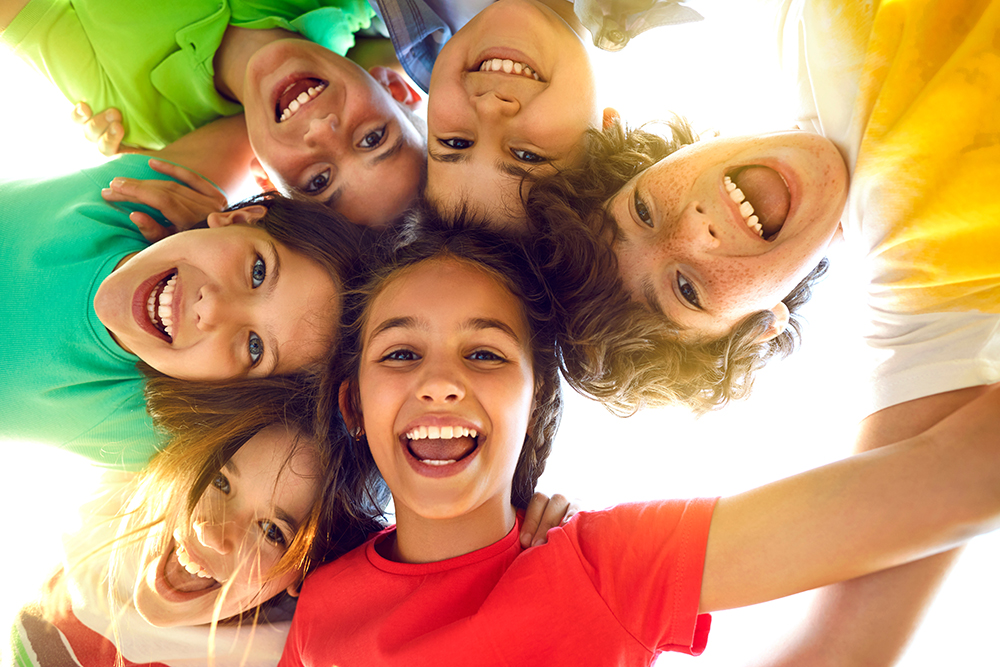
“In today’s world, where time once spent in active chat and activity with peers is now spent online, has the chance for those real friendships been reduced?” Columnist HUGH SELBY reflects on life’s lost opportunities for friendship.
On Japanese national television, NHK (the equivalent of our ABC), there is a show that has been running for more than a decade.
People now of a certain age write to the show, recounting childhood and early adult memories, hoping that the show will include their once-upon-a-time home town or village in the show’s bicycle tours.
The compere travels on a push bike. During each show, as he arrives at some point of interest, the compere will read from a request letter, so providing both a “once upon a time” and a present day view of a town, a park, a river, a waterfall, a temple, local agriculture, local food, local handcrafts, and so on.
He also talks to many of the locals. His voice seduces listeners and interviewees. The rural pace of life allows many interesting comments to be made.
The compere, previously a well known actor, became more and more popular.
He died last year. NHK continued the series with a much younger compere. It hasn’t had the same success. That’s because the atmosphere that he created was perfect for the pace, the nostalgia, the scenery, and the interviewees. Reruns were demanded and they are being played.
His TV audiences were and are let into the places that he visited and the people with whom he chatted. The present was reattached to the past.
Something similar closer to home
In ’60s Australia, people now of a certain age went to single-sex high schools. These were the years of a timeless Bob Menzies’ “small l” Liberal government (his statue is in Commonwealth Park, near the water’s edge).
As they finished school, the local milk bar and takeaway (with sliced, tinned beetroot on the meat pattie) was about to be upended by McDonalds and Pizza Hut.
In my neck of the woods, part time work was at the petrol station, the local pub, delivering milk or newspapers, and – for the best and fittest – hauling wheelless galvanised trash cans to the back of the slow-moving rubbish truck.
In my year at high school there were 150, of whom around 30 are no more. There’s to be a reunion lunch (late nights are beyond most of us now) this month.
A side project, over some months, has been to encourage the survivors to share stories and ideas. Email and writing/publishing/photo software makes this an easy process for those who want to join in.
The process and the outcomes have been fascinating. Despite the growing illustrated document being circulated every Saturday morning, with a new take on “please join in”, the participation rate is less than half.
Put another way, more than half of the survivors, even after repeated invitations, choose not to share and not to attend.
It’s not that they are short of time.
The more likely reason is that during the six years at that school no attempt was ever made by the adults who taught us to have we students find out about each other, let alone share dreams and aspirations.
We developed small circles of friends largely by happenchance. The rest of our cohort may have been in sight, but they were out of mind.
They are still out. But this time it’s a knowing choice. For the majority there is insufficient reason to find out more now.
The sad part of this reality is that those who have taken part have shared remarkable stories covering events that occurred as long ago as the mid-’50s and coming up to the present.
To take “travel” as one topic among a baker’s dozen: the stories include being rescued from a burning cruise liner near Aden, being the only passenger on an unscheduled international flight, establishing a home on a Greek island, weeks on the English canals, ballooning in Turkiye, adventures in all of Africa, Nepal, our outback, and solo, long distance sailing trips.
As one guy put it, “Adventure before dementia”.
As a reader of those stories I have a strong sense that I, along with many of my cohort, would have made more and enduring friendships if I’d been given the chance to find out more about those with whom I shared classrooms, tuck shop lines, sports grounds, assemblies and so on for six, formative years.
There could have been, for very little effort by our teachers, many more, and stronger connections between our past as teenagers and our present as retirees.
Friendship is not optional
What is friendship? It reflects shared interests, mutual trust, reciprocity, a sense of connection, and being there for the other person.
It takes opportunity and time to develop. It is forever being reshaped by life events. Some events destroy friendships, while others strengthen them.
Maintaining friendships over long periods can be an exercise in diplomacy. It can also be disastrous, as in Justice Lionel Murphy’s concern for his “little mate” who had a spot of bother with the criminal law. So, too, for Labor Minister Al Grassby who wore brightly coloured ties, leading to this famous line: “The ties that bind are the ties that blind” in reference to some of his colourful mates.
That mischief acknowledged, it is the strands of long friendship that sustain us through the difficult times in our lives.
In today’s world, where time once spent in active chat and activity with peers is now spent online, has the chance for those real friendships been reduced?

To take the commonplace. Watch today’s teens on buses, trams and suburban trains going to, or coming from school. Where once they talked, now they sit together, but they are interacting only with their phone. The only sound is beep beep.
CityNews this past week published an article about male loneliness in Australia that points to the need for mates.
In the ’60s nobody thought about how sharing the dreams of the present could make a much better future.
Sixty years later we can see the results: avoidable alienation and loneliness.
It doesn’t have to be this way. We need to use AI tools to ensure that today’s generation of school kids can interact not only with online games, such as the phenomenon Roblox, but also with each other, face to face, in real, not imaginary situations. Friends, real friends who are there for the duration, are essential, not optional.
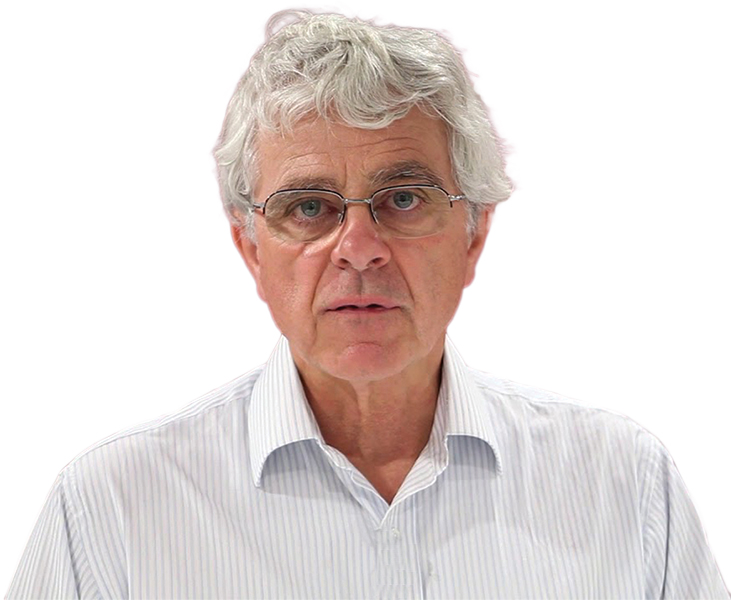
Former barrister Hugh Selby is a CityNews columnist, principally focused on legal affairs.
News all day, every day at CityNewsQBN.com.au.



Leave a Reply