Wine writer RICHARD CALVER is given to daily long walks. On this day he passed a bottle shop and ended up at a wine tasting.
It’s part of my semi-retired ritual to exercise each day, including the aim of walking no less than six and a half kilometres; good for the health, good for the soul and it alleviates cabin fever.

That hemmed in feeling reminds me of a story about a man and a woman accidentally given the same sleeping compartment on a crowded train. Despite initial embarrassment, they went to bed, he in the upper berth and she in the lower. In the middle of the night they were both still awake as the train’s heating had failed.
He said: “I’m sorry to bother you, but would you be willing to reach into the closet under your bed to get me a second blanket? I’m quite cold.”
“I have a better idea,” she replied. “Just for tonight, let’s pretend that we’re married.”
“That’s a great idea!”, he said, now fully awake.
“Good,” she replied. “Get your own bloody blanket,” and promptly fell asleep.
It was a Friday and my peripatetic ways took me down to the Kingston foreshore via a loop that includes Telopea Park.
As I was passing the Strange Alchemy bottle shop, I decided to call in and say hello to owner Jack Roberts. It was around 15 minutes before a wine tasting was due to kick off, but Jack and the representative for Angove Wines who was presenting the tasting, Blake Ryan, kindly asked me to taste what was on offer.
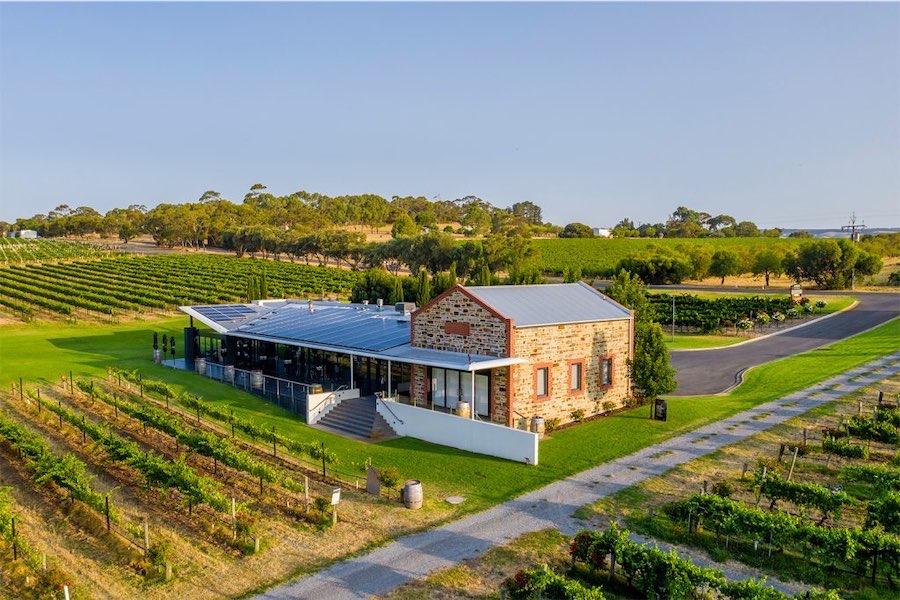
Angove Family Winemakers is a five-star Halliday rated winery located in the McLaren Vale, SA where they have been located since 2008, moving from the Riverland, where they still maintain a presence.
On taste were two whites and three reds, all from the Family Crest range, one of five brands marketed by this winery. The range was discounted to $21.99 a bottle.
The first white was a 2023 Adelaide Hills chardonnay. It was a pale yellow, with a peachy aroma. On taste the French oak that was used in the making of this wine was evident with vanilla and stone fruit the dominant flavours. It was a complex cold-climate wine with no hint of butter as there was no malolactic fermentation.
The second white was a 2023 pinot gris, also from the Adelaide Hills with some fruit from the McLaren Vale. Blake reckoned that in the current market, pinot gris/grigio had become Australia’s biggest-selling white.
Maybe not yet, but getting there. I looked up the market insights from Wine Australia and in 2023 sauvignon blanc maintained its top position in terms of sales in the retail off-trade, with a 14 per cent share by volume.
It was flat in terms of year-on-year growth, while the strongest-growing varieties in the top 20 were prosecco (up 20 per cent), pinot grigio (up 11 per cent), rosé (up 8 per cent) and pinot gris (up 5 per cent).
Anyway, the 2023 was typical of the pinot gris style, light in colour, a hint of pear on the nose, fruit forward and, in this wine, a long finish. It is pleasant to drink and it’s easy to see why the varietal is growing in popularity.
The first two reds I tried, a grenache, shiraz, mouvedre (GSM) blend 2022 and a 2020 cabernet sauvignon were both more than acceptable albeit not to my taste.
But the 2021 shiraz was an excellent wine, especially at the discounted price offered. I bought a bottle. It had a deep-red colour and an aroma of dark cherries.
On taste it had depth contributed to by the good balance between tannins and acid with a hint of spice and liquorice. Great value, just like the price of walking when compared with a gym membership.
News all day, every day at CityNewsQBN.com.au.


Leave a Reply