
“The Cullarin wines are made by Eden Road’s own Celine Rousseau, a French import who knows how to make good Australian wine,” writes wine columnist RICHARD CALVER.
I was provided with three bottles of Cullarin Wines to taste and appraise, for which I am most grateful to Ron Molloy, of Oatley Wines. That appraisal was undertaken at dinner with four others.

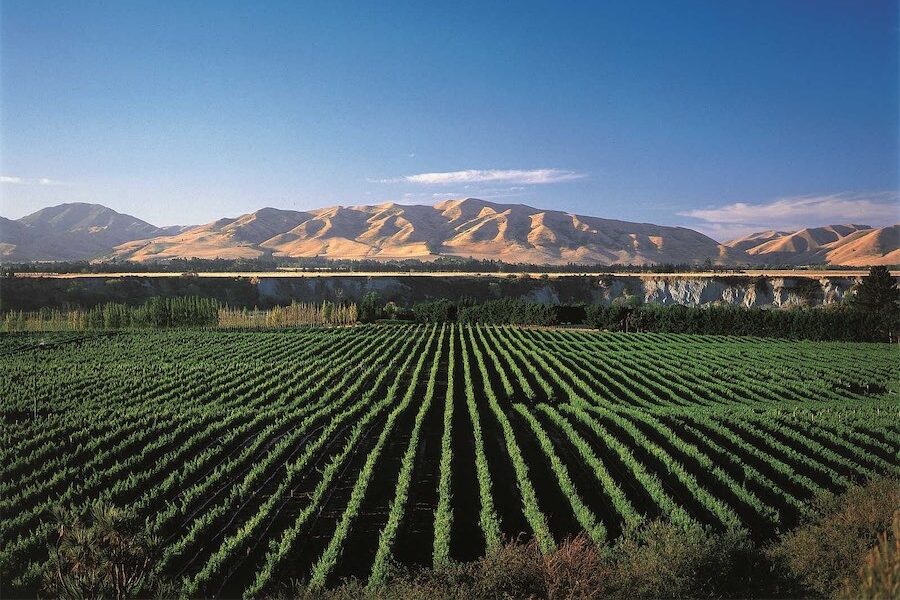
Cullarin is owned by Eden Road, although the vines at the Lake George site sit at the base of the Cullerin Range (note the different spelling) were planted in 1971, a considerable period before Eden Road wines was established in 2006.
The principal owner of Eden Road, Peter Wiggs, bought Cullarin in 2011 from Lake George Winery.
The Cullarin wines are made by Eden Road’s own Celine Rousseau, a French import who knows how to make good Australian wine. All grapes in the Cullarin range are estate grown, but the wine is made in Murrumbateman.
Each supplied wine has the words “Block 71” down the side to show that 1971 was the date of the planting of the vines. Which reminds me that, as Celine would know, the ’70s have become popular in France of late because the decade possesses a certain Gen X sais quoi. But I must admit I dislike the female singers of the 1970s: just a bunch of pre-Madonnas.
I hit 20 in the early seventies, so I obviously really don’t remember them all that well. But I do remember the wines.
The Cullarin white was the 2022 chardonnay. This pale-yellow wine had a citrus nose, akin to a whiff of a riesling, and a mix of acid and toast on the palate, the latter presumably from the oak ageing that was undertaken.
The wine finished long with a mineral hit that didn’t quite match with the sardines I’d ordered for entrée. As the wine came up to room temperature, the toastiness became more discernible.
The 2022 pinot noir was paired with duck. This is a light, bright wine that has none of the earthy, forest-floor mouth feel of some pinots.
It had sufficient acidity to cut through the fattiness of the duck, but the acid didn’t overwhelm, nor did the tannins, which were soft and agreeable. I liked this wine a lot. One of our company thought this the best wine of the evening.
The second red was a 2019 Syrah. This is a lighter, high-country style of shiraz that contrasts markedly with the big Rutherglen and Barossa wines that are high in alcohol and generally very fruit forward.
This wine has a more subtle flavour profile and is 13 per cent alcohol by volume, a wine reminiscent of those from the Rhone Valley in France.
The situation with labelling to differentiate syrah from shiraz appears to be, from a higher, cooler area, call it syrah; from a hotter area call it shiraz. But it’s the same grape variety.
In any event, this wine had a cherry bouquet with a light, red-fruit finish, medium bodied, the fruit well balanced with the tannins in the wine. It’s a real crowd pleaser and a soft approachable wine. It was my favourite of the three.
“I read in a book once that a rose by any other name would smell as sweet, but I’ve never been able to believe it. I don’t believe a rose WOULD be as nice if it was called a thistle or a skunk cabbage.” ― LM Montgomery, Anne of Green Gables
News all day, every day at CityNewsQBN.com.au.



Leave a Reply