
A parasite pandemic escape room will challenge visitors to solve a series of puzzles, crack codes and answer questions to “save humankind” during Science Week, reports THOMAS McCOY.
They can range in size from microscopic single-celled organisms to 30-metre tapeworms.
They are parasites and, for the first time, they will form a key part of National Science Week in Canberra, which features dozens of free events for all ages.
The parasite pandemic escape room will operate at the Australian National University and challenge visitors to solve a series of puzzles, crack codes and answer questions to save humankind from the pandemic.
Key organisers of the escape room, which is supported by the Australian Society for Parasitology, are Cecilia Nie and Lizzy Durban, who are both undertaking PhD studies at the ANU’s Research School of Biology.
“What we love about this project is that we’re able to make a topic that people may not have heard much about exciting, by offering a fun, hands-on experience that connects with the real world,” said Cecilia.
Parasites span a range of creatures, including fleas, ticks, leeches, bed bugs and head lice, and can cause serious injury and even death, with the malaria parasite, Plasmodium falciparum, having killed millions of humans.
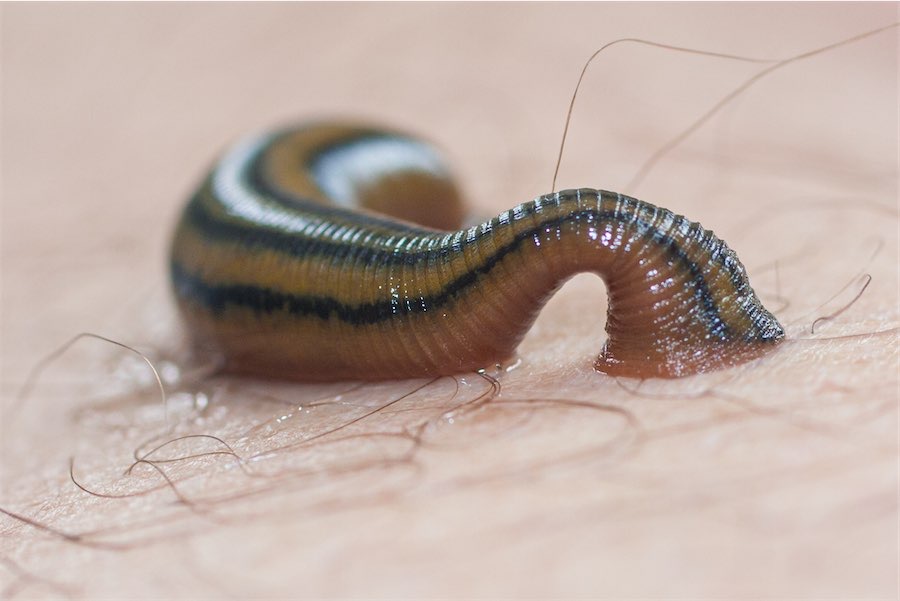
They depend on a host for survival and can live either inside or outside their host.
“While they’re usually harmful, surprisingly, they can also do good,” said Lizzy.
“For example, as scary as it looks to see a leech attached to a human arm, its saliva can actually reduce blood clotting and inflammation in that person.”
However, for the parasite escape room, the focus is on using scientific knowledge and laboratory techniques to save humans from them.
When participating in this event, visitors will join a small group at a lab bench in the escape room, which is a fully equipped physical containment area that can be locked.
Using the materials contained in a box on the bench, visitors have just an hour to complete tasks that will give insights into how scientists tackle global health challenges and allow their group to “escape” from the room.
Wearing laboratory coats and safety goggles, visitors will operate microscopes to view preserved parasites on microscopy slides and use pipettes to dispense sample liquids with precision.
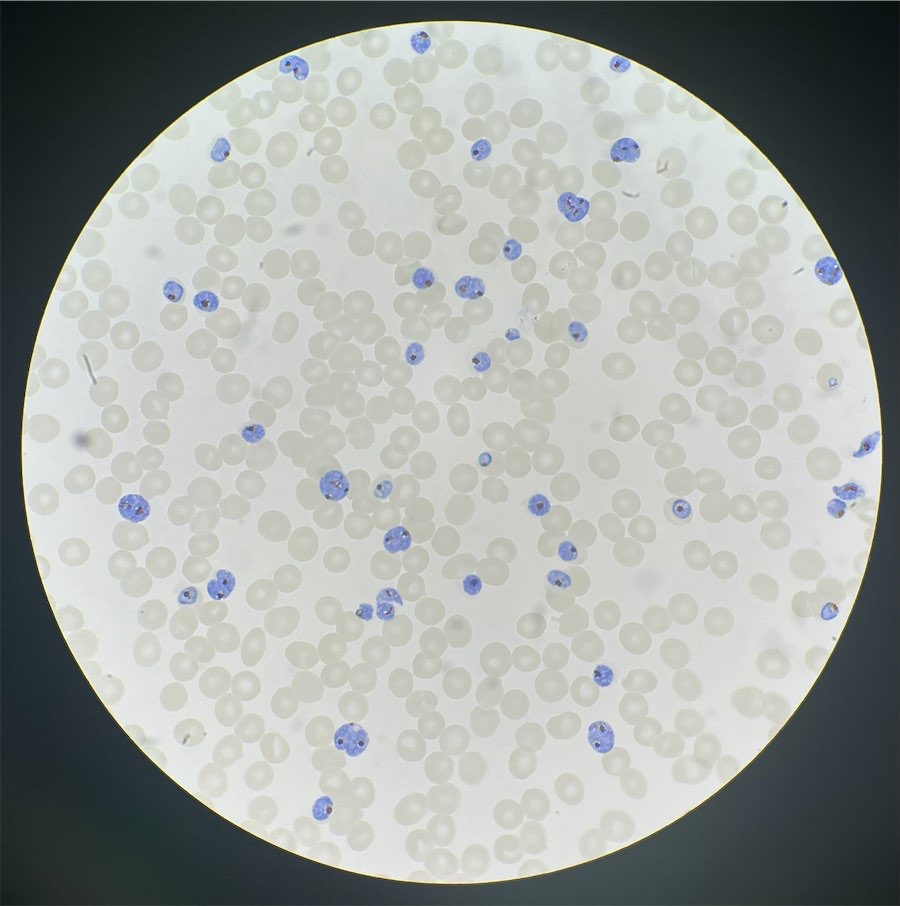
Each activity that’s successfully completed will give a team part of the code needed to access the antidote that allows them to escape, save the world and also win prizes.
Three other parasite events will also be offered during Science Week.
Virtual Parasites will immerse visitors in the parasite universe using a virtual reality headset, Parasite Manga will introduce Japanese manga characters with parasitic infections and help to debunk social media claims about parasites, and Walk in the Shoes of a Parasitologist offers real-life stories from ANU scientists describing their motivation and passion for studying parasites.
Beyond parasites, National Science Week will feature many other free events for all ages, including tiny tot exploration, creative computing for seniors, science and disability empowerment, the space and science film festival, robot conversations, AI in agriculture, dance science, a science filmmaking workshop, transforming science into art, pub trivia, and pint of science.
Shopping centres will also participate through Science in the Centres, and these include Westfield Belconnen and Woden, South Point Tuggeranong, Cooleman Court, Gungahlin Marketplace, Majura Park Shopping Centre and the Canberra Centre.
There you will be able to discover the science behind reptiles, engineering, waterbugs, space, robotics and the environment.
Bookings are essential for all parasite events via the National Science Week website at scienceweek.net.au. Thomas McCoy is an ACT National Science Week Committee member.
News all day, every day at CityNewsQBN.com.au.





Leave a Reply