
“Stepping back to raise children, support a partner or run a household isn’t a luxury. It’s a responsible choice that deserves support, not penalty.” Caregiver GWYN REES bridles at the ACT government’s “health levy” shock.
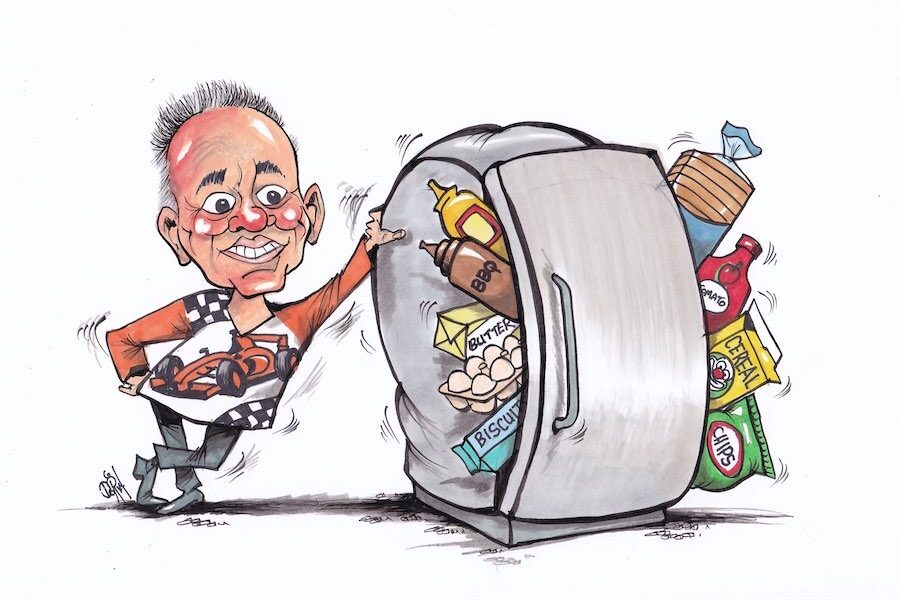
The ACT Government’s decision to impose a new $250 “health levy” on every rate-paying household is yet another blow to families already facing relentless financial pressure.
It’s a levy that forms part of a broader trend; an ever-expanding set of charges layered on top of rates that are rising steeply, year after year.
A few years ago, our family made a deliberate decision to shift our work-life balance. My wife has a good income and holds a senior role. I stepped back.
Partly, it was to reassess priorities after a heart attack. But more importantly, it was to ease the pressure of trying to run a household with two demanding careers. I became the primary caregiver so our family could have something that’s increasingly rare, shared time.
But the tax system, and increasingly, state and territory charges don’t recognise the value of single-income households, even when they earn only modestly above the median.
Canberra’s average salary may look high on paper, but it doesn’t reflect the financial strain of living on one income, especially when caregiving is part of the equation. There’s no income-splitting, no household tax adjustment and no offset for caregiving. Just the same tax burden, or more, with no recognition for unpaid parenting, volunteering or running a household.
Then came the changes to the stage three tax cuts, where we’d expected some meaningful relief. When it didn’t materialise, it felt like the rug had been pulled. Ironically, if my wife’s income were split between us, we’d be financially better off. That’s not a reflection of bad choices; it’s a broken system.
There was a time when having both parents in full-time work was a choice. Now, for many families, it’s an obligation. Rising housing costs and everyday essentials have forced both parents into the workforce just to stay afloat.
And when both parents work, it’s easy to overlook what gets lost, time.
Between school lunches, laundry, gardening, errands, homework help, sport drop-offs the week evaporates. We lose upwards of 30 hours of shared time. That time matters, not just for the kids, but for the health and wellbeing of the parents managing the load. When one parent steps back, there’s space for connection, recovery, and parenting. That should be valued.
The decision to stay home with our children should not be treated like a luxury. I’m not a parent who wants to outsource my children’s upbringing to childcare or hired help, and no parent should be cornered into that trade-off. But the reality is, we’re taxed like a household with two incomes, without any recognition of the caregiving role being played.
Now, the ACT’s new health levy arrives on top of already soaring rates. Our weekly grocery bill regularly pushes past $300. This extra $250, plus the above-inflation rate increases, wipes out at least one to two full shops or the best part of half a year of guitar lessons for my son. That’s not just a budget hit; it’s food off the table. It’s robbing our children of learning experiences.
And this isn’t just about cost. It’s about accountability.
The ACT government has developed a predictable pattern. Rates rise sharply right after an election, then the pressure eases closer to the next. At the same time, levies for emergency services, domestic violence response, and now health, have been quietly added to our rates bills. These are essential services, but they were once paid for through general revenue. Now, families are being asked to pick up the tab for what increasingly looks like systemic overspending.
Worse still is the lack of transparency. Yearly rate trends across a government term would give households a clearer picture of what is really happening, and we can stop pretending like this isn’t hurting families.
We’re not asking for special treatment, just a system that values caregiving as much as earning. Stepping back to raise children, support a partner, or run a household isn’t a luxury. It’s a responsible choice that deserves support, not penalty.
Because if Canberra becomes a place where only dual-income, high-earning households can survive, we need to ask; what kind of city are we building?
I would not trade the time I’ve had with my sons for anything. But it’s increasingly clear that this kind of choice is becoming financially impossible for many and invisible to those in power.
News all day, every day at CityNewsQBN.com.au.




Leave a Reply